Savers Op Shops in Australia: Complete Guide (2026)
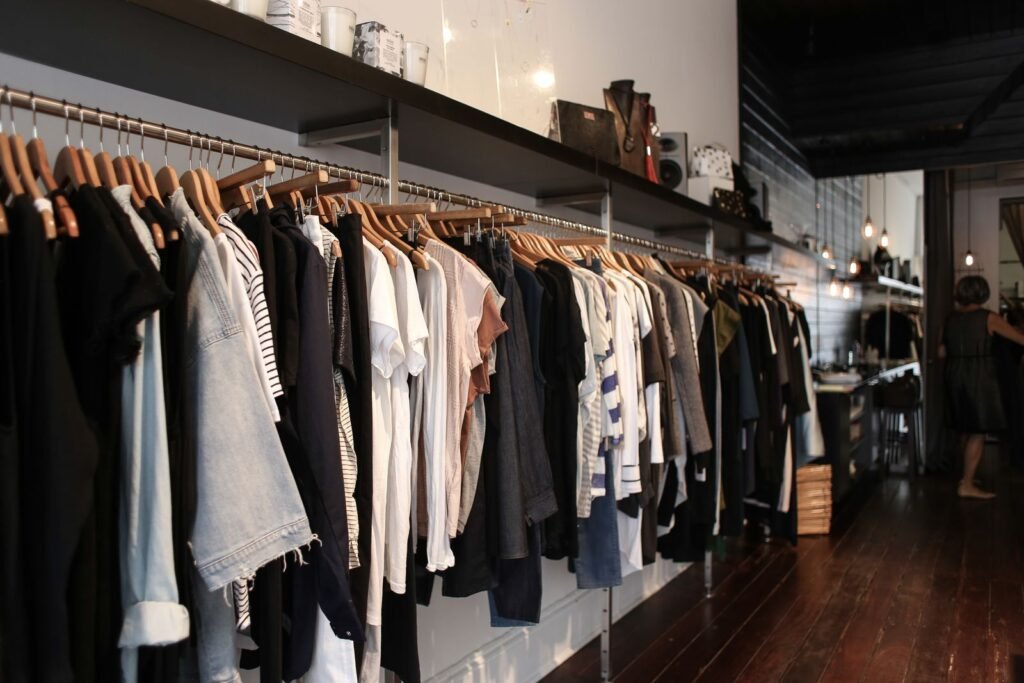
Savers op shops Australia are large for-profit thrift stores that partner with local charities. Unlike Salvos or Vinnies, Savers is a commercial chain: it buys donated goods from charity partners, sells them in warehouse-style stores, and pays those charities per kilogram received. If you’ve confused Savers with Salvos, you’re not alone.
| Feature | Savers | Salvos / Vinnies |
|---|---|---|
| Ownership | For-profit chain (US-based parent company) | Australian charities |
| Revenue model | Pays charity partners per kg donated | Profits fund own charity programs |
| Store size | Large warehouse format | Varies from boutique to super store |
| Typical strengths | Volume, homewares, books, furniture | Curated fashion, community ties |
For a direct comparison of charity chains, see Salvos vs Vinnies for bargains and our round-up of top-rated op shop chains in Australia.
How Savers works in Australia
Known as Value Village in some countries, the same retail thrift business operates here. Charity partners collect donations through bins and drives. Savers purchases those goods, processes them in sorting facilities, and sells them in its stores. Partner charities receive payment based on volume collected, which funds their programs independently of in-store sales.
This model means These stores are built for throughput. Racks are packed, categories are broad, and stock turns quickly. You’ll find clothing, shoes, books, homewares, electronics, sports gear, and commonly furniture under one roof. The trade-off is less curation than a boutique Vinnies and more hunting through volume.
Savers isn’t Salvos. The names sound similar, but Salvos Stores are run by The Salvation Army and direct profits to their own services. Savers is a separate company. Both sell second-hand goods; the charity connection works differently.
Where to find Savers stores in Australia
Expansion now covers several Australian states, with concentrations in Victoria, Queensland, and Western Australia. Store locations change as the chain grows, so always check the official finder before you visit.
- Victoria: Multiple stores including Brunswick and other Melbourne suburbs. Pair a Savers trip with our best op shops in Melbourne guide.
- Queensland: Stores in Brisbane and south-east Queensland. See best op shops in Brisbane for nearby options.
- Western Australia: Perth metro stores serve thrifters looking for volume shopping. Try our Perth op shop guide for the wider scene.
Use the Savers Australia website store locator for current addresses and hours. You can also browse our op shop directory for Savers and charity stores in your suburb.
What to expect when shopping at Savers
Stores run large and warehouse-like. Plan at least an hour if you want to search properly. Clothing is organised by type and size but not always by brand. Homewares and books are usually grouped by category on open shelves. Furniture sections vary by store size.
Pricing sits in a mid-range band for op shops. Everyday clothing can run from a few dollars to $15 or more for branded pieces. Savers staff price some items using tag colours that rotate on discount days, similar to charity chain sales. Ask staff about the current colour discount when you arrive.
Quality varies because stock comes from bulk donation streams. Check seams, zips, and fabric before you buy. For clothing, follow our advice on washing op shop clothes before wearing them.
Donation bins and charity partners
Donation bins in car parks and shopping centres feed their charity partners, not the Salvos or Vinnies networks. Partner charities differ by region. The Savers website lists which organisation benefits from bins in your area.
If you prefer your donation to fund a specific Australian charity’s programs directly, donate in-store at Salvos, Vinnies, or Lifeline instead. If your priority is moving goods conveniently and supporting whichever partner charity is linked to Savers bins, the bin network works well.
During oversupply periods, even Savers partners can pause bin collections. Check bin signage and don’t leave bags outside full bins. See op shops not accepting donations for what to do when capacity is tight.
Savers vs charity op shops: which should you choose?
Choose Savers when you want volume, variety, and one-stop shopping for clothing, books, and homewares. The warehouse layout suits furniture hunters and families kitting out a house on a budget. Sale days can produce genuine bargains if you have time to dig.
Choose Salvos or Vinnies when you want profits to flow directly to those charities’ crisis and community services, or when you prefer a smaller, more curated floor. Vinnies commonly wins for contemporary fashion; Salvos competes on furniture and colour-tag sales.
Many serious thrifters visit both. Start with Savers for volume basics, then hit a Vinnies for curated pieces. Compare experiences in our guide to op shops vs thrift and consignment stores.
Savers pricing and membership
Pricing uses coloured tags similar to charity chains. Discount days rotate by colour, so ask staff when you arrive. Some locations run loyalty or discount card programs; check at the register for current offers in your state.
Books are commonly priced uniformly low, making Savers a strong stop for readers and students. Homewares aisles reward patience: mixing bowls, vases, and kitchen tools appear in volume but sell quickly at sharp prices.
Compare Savers totals against a Salvos colour tag day before assuming one chain is always cheaper. Local store quality matters more than brand reputation.
Common Savers misconceptions
Three myths appear commonly in online discussions:
- “Savers is Salvos with a different name.” False. Completely separate organisations.
- “Nothing goes to charity.” Partner charities receive payment for collected donations, but in-store sales fund Savers as a retailer.
- “Savers is always cheapest.” Not always. Sale days at Salvos or community shops can beat Savers on specific categories.
Knowing the model helps you decide whether Savers fits your values and your budget. Many shoppers use both Savers and charity op shops without conflict.
Savers and the Australian second-hand market
Australian expansion followed a global thrift retail model. Its growth reflects rising mainstream acceptance of second-hand shopping, not a replacement for charity op shops. Both coexist: Savers for warehouse volume, Salvos and Vinnies for direct charitable impact.
Environmental benefits overlap regardless of ownership model. Every garment reused stays out of landfill. If your priority is maximum charity dollar reach, shop and donate at Salvos or Vinnies. If your priority is finding six coffee mugs and a winter coat in one hour, Savers competes well.
Watch store opening announcements in your state. Savers continues expanding, which gives thrifters more options but also means schedules and stock vary as new locations launch.
Accessibility and store layout
Warehouse aisles can be long and crowded on weekends.
If mobility or fatigue is a concern, shop weekday mornings when racks are easier to reach and checkout lines are shorter. A weekday morning at Savers Brunswick is kinder than Saturday noon. If stairs are a problem, ask which entrance is step-free. You won’t enjoy a warehouse loop on a crowded weekend with a pram in every aisle. Go early. Take breaks. Most locations offer wide aisles for trolleys and prams, but layout varies.
Tips for getting the best value at Savers
- Shop discount colour days: Ask which tag colour is half-price this week.
- Visit mid-week mornings: Less crowded than weekends; new stock commonly hits the floor after sorting runs.
- Check the premium section: Savers commonly separates higher-brand items. Prices are higher but still below retail.
- Bring measurements: Furniture and large homewares can’t always be returned. Measure your space and doorways first.
- Combine with nearby charity shops: Savers locations commonly sit near other op shops. Make a route and compare.
Frequently Asked Questions
Is Savers the same as Salvos?
No. Savers is a for-profit thrift chain that partners with charities through donation agreements. Salvos Stores are operated by The Salvation Army, and profits fund Salvos community programs directly.
Does Savers donate money to charity?
Charity partners are paid for donated goods collected through partner programs and bins. Those charities use the payments for their own work. In-store sales revenue goes to Savers as a retailer.
Are Savers op shops cheaper than Vinnies?
It depends on the item. Savers commonly has lower prices on bulk basics and books because of volume. Vinnies can be cheaper on sale days or stronger for curated fashion at moderate prices. Compare both in your area.
Can I donate directly to a Savers store?
Donation policies vary. Many Savers locations accept drop-offs that benefit their partner charity. Check with your local store or the Savers website for current acceptance rules.
Which Australian cities have Savers stores?
Locations span multiple states including Victoria, Queensland, and Western Australia. Store numbers are growing. Use the Savers store locator or our directory for current locations.
Is Savers good for books and media?
Yes. Savers commonly stocks large book sections at uniform low prices, making it a strong stop for readers, students, and parents building home libraries on a budget.
Can I volunteer at Savers like a charity op shop?
Stores employ retail staff rather than relying on volunteers in the same way as Salvos or Vinnies. Charity volunteering opportunities remain at those chains if community service is your goal.
Summary
Savers remains a for-profit thrift chain with charity partners, not a Salvos rebranding.
Use it for warehouse volume and low-cost books and homewares; use Salvos and Vinnies when you want profits to fund those charities directly. Many Australian thrifters shop both. Check the colour-tag board when you walk in. Sale days change the value math more than the logo on the door. A half-price Tuesday at Savers can undercut a full-price Vinnies two suburbs over. Don’t assume the chain name tells you the price.
Related reading
- Salvos vs Vinnies for bargains
- Top-rated op shop chains in Australia
- op shops vs thrift and consignment stores
- Best op shops in Melbourne (includes Savers Brunswick)
Warehouse-format stores fill a distinct niche in Australia’s second-hand market: large stores, broad stock, and a commercial model that still channels funds to partner charities. Whether it’s your first stop or part of a wider thrifting route, knowing how Savers differs from Salvos and Vinnies helps you shop with clear expectations.
Sources: See also www.acnc.gov.au for baseline Australian guidance.
By Op Shops Hub Team
Need a local listing?
Browse verified businesses in our directory or read more guides on the blog.
Browse op shops All guides