Op Shop Industry Australia: Charities, Commercial Thrift and How the Sector Works (2026)
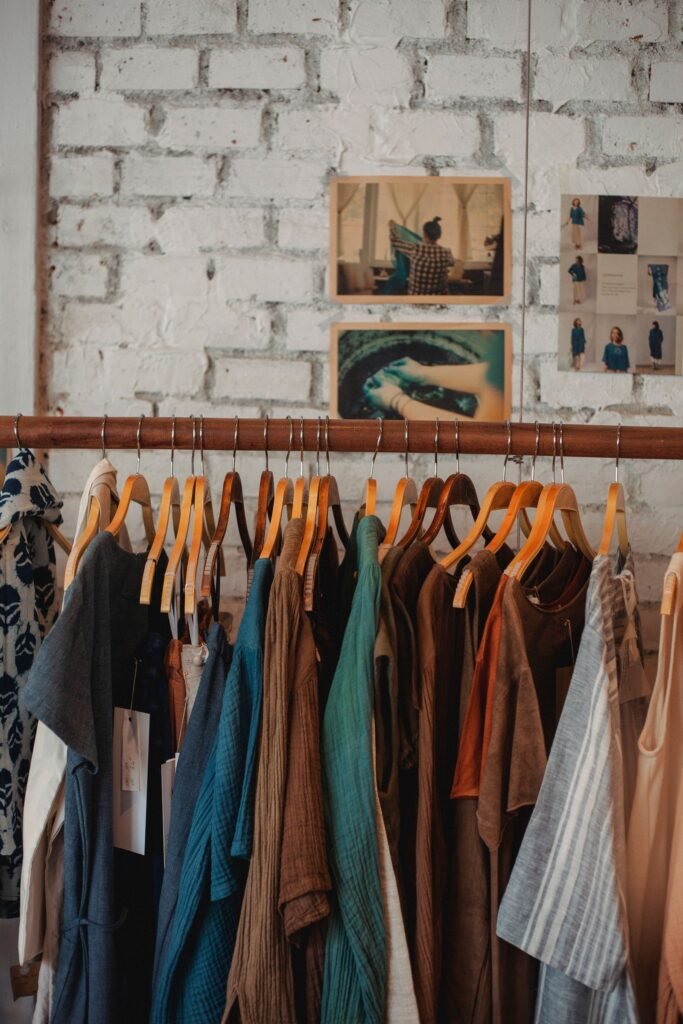
Op shop industry Australia is mainly charity retail: donated goods get sorted, priced and sold to fund community programs. A smaller commercial thrift layer sits beside it. The sector soaks up huge volumes of clothing and household goods, employs staff and volunteers, and sits under charity regulation rather than a single “op shop licence.”
Find stores via our locations hub. History: history of op shops. Chain comparison: charity shop chains compared.
Who runs the shops
If you’re mapping the sector, start with the big charity networks. St Vincent de Paul (Vinnies), Salvation Army (Salvos), Lifeline and Red Cross run state or regional shop groups with paid managers and volunteer floors. Local church and community shops are smaller, often volunteer-heavy, and can close for a week when the roster falls over.
- Major charity chains: Vinnies, Salvos, Lifeline, Red Cross and similar networks
- Local church and community shops: smaller footprints, flexible hours
- Social enterprises: retail paired with employment pathways in some states
- Commercial thrift / for-profit resale: buys stock or takes consignments; profits aren’t charity program funding
Don’t assume every second-hand store funds crisis services. Charity vs commercial differences: charity retail vs commercial thrift. Where money goes: where op shop money goes.
The donation-to-sale pipeline
Goods don’t teleport from your boot to the shop floor. They move through a pipeline that costs charities real money when quality is poor.
| Stage | What happens | Shopper / donor tip |
|---|---|---|
| Donation | Goods arrive via counters, bins or warehouses | Clean, complete items sell; rubbish costs charities money |
| Sort | Staff and volunteers grade quality and safety | Electricals need care; see safety guides below |
| Price | Tags reflect brand, condition and local demand | how op shops price items |
| Floor | Stock rotates; leftovers may go to outlets or recycling | Weekday mornings often mean fresher racks |
| Programs | Sale proceeds support charity services | Check ACNC records for large charities |
Registered charities report through the Australian Charities and Not-for-profits Commission (ACNC). That’s the national transparency layer for who is a charity and how they report.
Pressures shaping the industry in 2026
Textile volume: Fast fashion donations flood sorting rooms. Much of what arrives isn’t saleable. See fast fashion donations and textile waste and charity shops.
Labour and rent: High-street leases and volunteer shortages force some shops to shorten hours or consolidate into warehouses. So you’re seeing fewer tiny strip shops and more large-format sites in some cities.
Safety and product rules: Second-hand electricals and toys sit under consumer product expectations. Guides: second-hand electrical goods and electrical safety tags. Product safety context: Product Safety Australia.
Commercial competition: Online resale apps and for-profit thrift chains change what donors and bargain hunters expect from charity floors. That pressure isn’t going away.
How pricing really works
Op shops aren’t auctions with perfect information. Pricing mixes condition, brand recognition, local fashion demand and the need to clear volume. Boutique inner-suburb Vinnies can price higher than a regional Salvos warehouse. Neither is “wrong”; they serve different foot traffic.
But if you’re chasing basics, don’t start in Newtown or Fitzroy boutique rails and then complain the sector is “expensive.” Bargain hunting tips: Salvos vs Vinnies for bargains and cheap second-hand clothes.
Shopper ethics that keep the sector viable
The industry only works if donors and shoppers don’t treat charity floors like free tips. A few habits make a measurable difference.
- Donate clean, usable goods; don’t use bins as free tips. Dumping harms: donation bin dumping.
- Pay the ticket price when you can; haggling every $2 item burns volunteer time.
- Know charity vs commercial before assuming your purchase funds crisis services.
- Check electricals and helmets carefully; walk away from unsafe gear.
- Volunteer if you want the sector to keep sorting capacity: how to volunteer.
Circular economy link
Op shops are a practical reuse loop inside Australia’s circular economy conversation: keep products in use, divert waste, fund social outcomes. They’re not a full fix for textile overproduction, but they’re one of the few reuse channels ordinary households can use without an app or a shipping label.
Deeper dive: circular economy and op shops and preloved fashion impact. If you’re buying with impact in mind, wear what you buy. An unused bargain still used resources to get to the rack.
Metro vs regional patterns
Inner-city boutique charity shops often emphasise curated fashion and higher ticket averages. Regional and outer-suburban stores lean harder into household goods, kids’ wear and volume pricing. Warehouse-format Salvos and similar outlets exist because sorting centres need a release valve for bulk stock that won’t fit a small high-street floor.
Online charity listings and delivery experiments sit on top of that physical network, but most Australian op shopping is still an in-person browse. Delivery notes: op shops online shopping. City hunting still starts with the directory, then a Saturday circuit of two or three suburbs.
Frequently Asked Questions
How many op shops are there in Australia?
Counts change as stores open and close. Major chains operate hundreds of sites combined. Use our directory for live local coverage rather than a single national headline number.
Are Savers stores charity op shops?
Savers-style commercial thrift is a different business model. See Savers guide and the charity vs commercial comparison above.
Do op shops have to accept every donation?
No. Shops can refuse unsafe, filthy or unsaleable goods. That protects staff and keeps floors shoppable.
Who regulates charity op shops?
Charities are regulated as charities (ACNC and related state rules). Retail consumer law still applies to what they sell. Product safety rules apply to certain goods.
Where should I start shopping?
Browse opshopshub.com/locations and read what is an op shop if you’re new to the format.
Sources: ACNC · Product Safety Australia · ACCC
By Op Shops Hub Team. Last updated July 2026. About · Find op shops
Need a local listing?
Browse verified charity shops in our directory for hours and addresses, or read more guides on the blog when you want donation and thrift tips first.
Browse op shops All guides