What Is a Tip Shop in Australia? Council Reuse vs Charity Op Shops
What is a tip shop? A council-run reuse store at or near a waste transfer station, selling goods rescued before landfill. It’s not a charity op shop. Stock comes from dump drop-offs, pricing supports waste diversion, and donation rules follow local government policy, not Vinnies or Salvos lists.
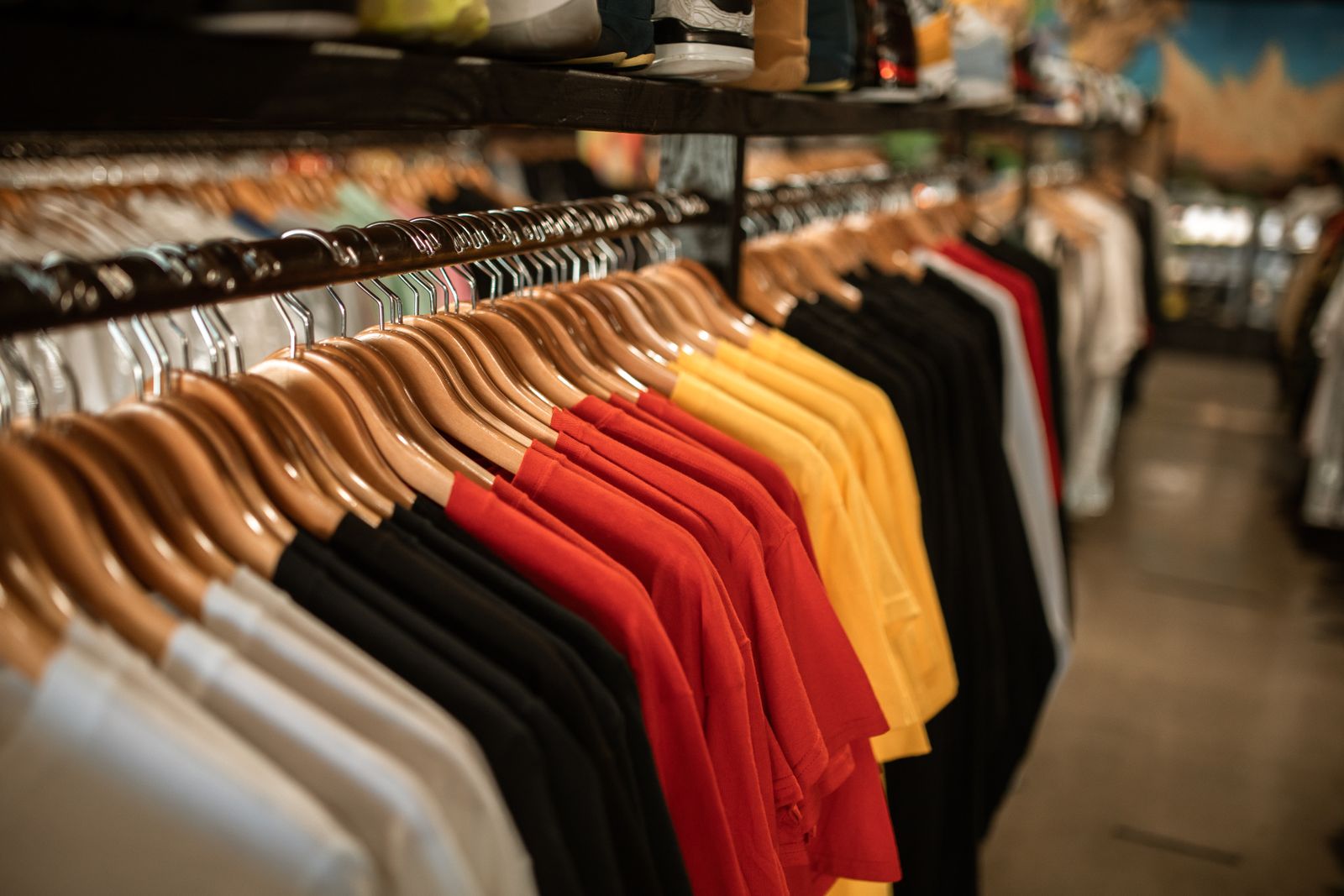
You’ll hear tip shops called reuse shops, resource recovery shops or “tip shops” after the colloquial name for the dump. Whatever the sign says, the idea is the same: keep usable goods in circulation. Charity op shops fund community programs; tip shops fund council waste goals and cheap household goods for locals. A timber offcut might be $5. A dining table can sit around $40–$80 if the frame is sound.
How tip shops get their stock
When you unload at a transfer station, staff or sorters may pull out furniture, tools, books and bric-a-brac that still has life. Those items are cleaned lightly, priced low, and moved to the on-site shop. Some councils also accept direct donations at the reuse counter during opening hours.
Charity op shops rely on bag drop-offs at shop fronts, corporate partnerships and volunteer sorting rooms. They won’t take everything a tip shop might (mattresses and gas bottles are common no-gos for both, but the exact list differs).
Tip shop vs charity op shop
| Feature | Tip shop / reuse shop | Charity op shop |
|---|---|---|
| Operator | Local council or contracted waste provider | Registered charity (Vinnies, Salvos, Lifeline, etc.) |
| Main goal | Divert waste from landfill | Fund social programs via retail |
| Typical location | Inside or beside a transfer station | High street, shopping centre, warehouse |
| Pricing | Often very low, flat rates | Varies; tag sales and boutique pricing in cities |
| Volunteers | Mix of council staff and community volunteers | Mostly charity volunteers |
Both sell second-hand goods. Tip shops feel more like a salvage yard with a roof; op shops feel more like retail with a mission story on the wall. You can score either way if you know what you’re after.
What you can buy at an Australian tip shop
Inventory changes daily with what came off the truck. Common finds:
- Furniture, timber, doors and windows
- Tools, garden gear and camping bits
- Books, DVDs and toys
- Homewares, kitchenware and small appliances (often tested or tagged where required)
- Building materials and leftover renovation supplies in some regions
Clothing appears at some sites but charity op shops are usually stronger for fashion. Tip shops shine for renovators, tradies and anyone furnishing a rental on a tight budget.
Donation rules at tip shops
Rules are council-specific. General patterns:
- Only donate during staffed hours unless a signed bay says otherwise. Don’t leave goods at a locked gate.
- Items must be safe and resalable. Broken, soiled or hazardous goods cost the council money to dispose of, same as illegal dumping at charity bins.
- Some materials are banned (asbestos, chemicals, tyres, uncaged batteries). Staff will turn them away.
- Electrical goods may need a test-and-tag before resale in your state. Don’t dump non-compliant appliances and expect them to hit the floor.
Charity op shops publish their own “what we can’t accept” lists. If you’re clearing a house, split the load: soft furnishings to Vinnies, timber offcuts to the reuse shop, actual rubbish to the fee-paying waste stream. See what not to donate to op shops for charity-side rules.
Where to find tip shops
Search your council website for “reuse shop”, “tip shop” or “resource recovery centre”. Names vary: Brisbane has tip shops at transfer stations; Melbourne councils use “resource recovery” branding; regional NSW and WA towns often advertise hours on the shire site.
Our locations directory focuses on charity op shops. For tip shops, council pages stay the authoritative source because they’re not one national chain. Start with your council’s waste page, not Google Maps “op shop”. If the shire lists “resource recovery centre, 8am–4pm”, that’s the tip shop. Don’t mix a Vinnies clothing drop with a trailer of timber offcuts. Split the load.
Shopping tips
Weekday mornings after long weekends can be excellent when clean-up loads arrive. Bring gloves, measure your car space, and assume you’ll need to clean items at home. Cash and card acceptance varies; smaller sites are still cash-heavy. Long-weekend Monday mornings after a kerbside collection are the busy ones. If you want first pick, go mid-week. You won’t beat tradies who know the 8am opening. Check electrical safety tags before you plug in anything with a lead.
Frequently Asked Questions
Is a tip shop the same as an op shop?
No. Tip shops are usually council waste-diversion retail. Op shops are charity stores funding community work. Both sell second-hand goods but with different operators and donation paths.
Can I donate to a tip shop?
Often yes, during opening hours at the reuse counter, if items meet local safety and resale rules. Check your council’s page first.
Why is it called a tip shop?
Australians often call a rubbish dump “the tip”. The shop sells what would otherwise be tipped into landfill.
Are tip shop prices cheaper than op shops?
Frequently for furniture and building materials, because the goal is volume diversion more than maximising margin. Fashion and curated homewares may still be cheaper at charity sales days.
Summary
A tip shop is a council-linked reuse store, not a charity op shop. Stock comes from salvage at waste facilities plus some direct drop-offs. Donation rules follow local government policies. For charity thrifting, browse op shop locations; for renovation salvage, call your council reuse centre.
If you’re clearing a house, send sellable clothes to Vinnies and salvage timber to the tip shop. Don’t dump either on a locked gate. That’s the whole distinction in one trip.
Sources: State EPA and council waste pages, e.g. EPA NSW; charity context via ACNC.
By Op Shops Hub Team
Need a local listing?
Browse verified businesses in our directory or read more guides on the blog.
Browse op shops All guides