Circular Economy and Op Shops in Australia: Reuse, Waste and Real Limits (2026)
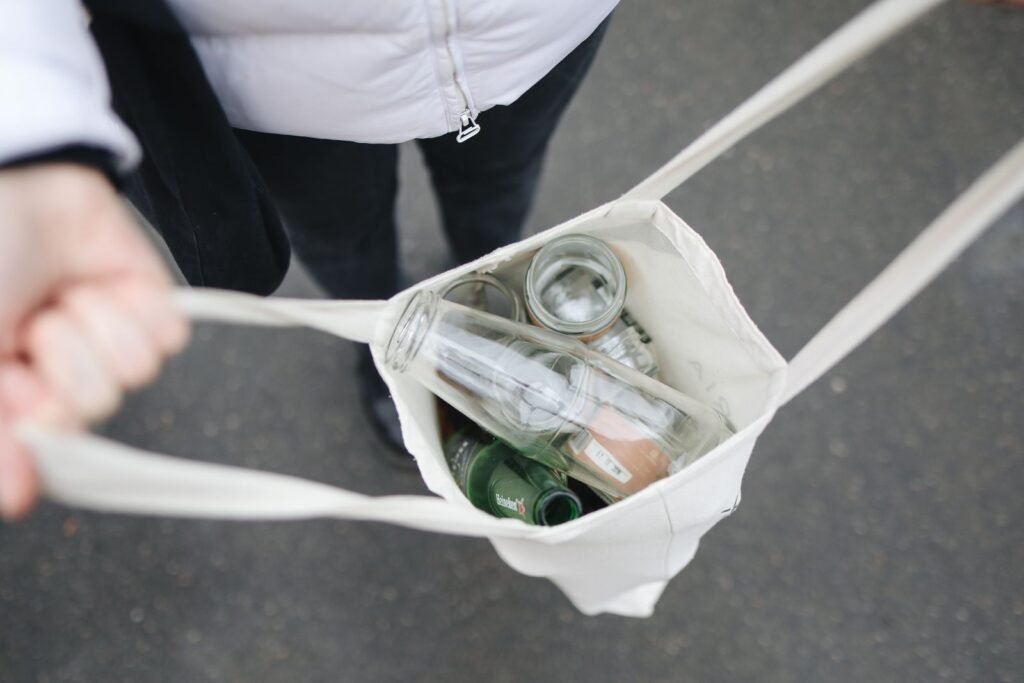
Circular economy op shops Australia are among the country’s most visible reuse tools. They keep clothing, books and household goods in use, raise funds for community services, and intercept items that would otherwise hit landfill early. They aren’t a magic sink for unlimited fast fashion. Understanding both the benefit and the bottleneck makes you a better donor and shopper.
Industry structure: op shop industry Australia. Waste pressure: textile waste and charity shops. Find stores: locations.
What “circular” means in this context
A circular economy aims to keep materials in use through reuse, repair and recycling, and to design out waste. Federal policy direction sits with environment portfolios; see the Department of Climate Change, Energy, the Environment and Water (DCCEEW) for national circular economy and waste strategy material.
Op shops sit mainly in the reuse layer: the highest-value loop after “don’t buy unnecessary new stuff.” That’s more powerful than recycling a garment that never needed replacing.
| Loop | Op shop role | Limit |
|---|---|---|
| Refuse / reduce | Indirect: shopping second-hand replaces some new buys | Doesn’t stop over-production upstream |
| Reuse | Core business: resale of donated goods | Only saleable items complete the loop |
| Repair | Occasional (mending culture, some furniture) | Most shops aren’t repair workshops |
| Recycle | Downstream for unsaleable textiles where markets exist | Textile recycling capacity in AU is still constrained |
Environmental angle on clothes: preloved fashion environmental impact and sustainable fashion and op shopping.
How op shops divert waste (when donations are good)
A wearable jumper sold for $8 avoids the emissions and water of a new equivalent for that buyer, and funds charity programs at the same time. Multiply that across racks of crockery, kids’ clothes and books and the aggregate diversion is real.
The catch: charities pay for transport, sorting labour and disposal of rubbish dressed up as donations. Contaminated soft-plastic bags, broken particle-board furniture and stained fast-fashion piles are linear waste with extra handling cost. See fast fashion donations and donation bin dumping.
So the circular story only holds when donations are actually saleable. If it wouldn’t go to a friend, it shouldn’t go in the charity bag.
Policy and product rules that touch the loop
- Charity transparency: large operators report via the ACNC.
- Product safety: second-hand goods still need care; Product Safety Australia and our electrical goods guide.
- Consumer law: purchases from shops still sit under Australian Consumer Law baselines via ACCC guidance, noting second-hand condition is part of the bargain.
But policy won’t sort your donation bag for you. Household habits still decide whether reuse works or whether charities pay tip fees. Treat official strategy pages as context, then apply the friend test to every item you drop off.
Practical habits that strengthen the circular loop
- Buy second-hand first for basics you would otherwise buy new.
- Donate only what you would give a friend: clean, complete, in-season where possible.
- Repair before donating missing buttons or simple seams when you can.
- Skip the bin for rubbish; use council hard-waste or textile recycling points that accept non-reusables.
- Prefer charity retail when your goal is reuse plus social funding; know when a shop is commercial: charity vs commercial.
If you’re clearing a wardrobe this weekend, split the pile into sell / donate / recycle before you leave home. That fifteen-minute sort is the difference between helping and dumping.
What op shops cannot fix alone
Charity retail can’t absorb infinite oversupply. It can’t force brands to design for durability. It can’t create a full textile-to-textile recycling industry overnight. Treating every discard as “the op shop’s problem” breaks the circular story.
Upstream reduction and better product design still matter more than heroic sorting. Shoppers still help by keeping quality goods circulating and by volunteering sorting capacity: volunteer guide. If you only change one habit, buy fewer new garments you don’t need. That reduces pressure on every loop below.
Measuring impact without fake precision
Individual shops rarely publish perfect tonne-diverted dashboards for every rack. Treat bold landfill-diversion claims with curiosity: ask what was counted (sold goods only, or all donations received) and over what period. National waste and circular economy reporting from government sources is a better backdrop for sector trends than a single storefront poster.
What you can measure personally is simpler: how many new garments you didn’t buy this season, how often you repaired before replacing, and whether your donations were actually saleable. That household accounting is closer to circular practice than sharing a vague “I recycle vibes” slogan.
For the retail side of the sector, see op shop industry Australia and history context in history of op shops.
Frequently Asked Questions
Are op shops part of Australia’s official circular economy strategy?
Reuse and charity retail align with circular goals in national waste and circular economy policy. Op shops are a delivery mechanism on the ground, not a single legislated scheme.
Is buying from an op shop always better for the planet?
Usually better than buying an equivalent new item you were going to purchase anyway. It doesn’t offset unrelated consumption if you buy extras you never wear.
What happens to clothes that do not sell?
Pathways vary: outlet transfers, textile recyclers, waste disposal. Ask your local shop if you donate in volume.
Should I wash clothes before donating?
Yes. Clean donations sell faster and reduce sorting rejection.
Where do I find op shops near me?
Browse locations on Op Shops Hub.
Sources: DCCEEW · ACNC · Product Safety Australia · ACCC
By Op Shops Hub Team. Last updated July 2026. About · Find op shops
Need a local listing?
Browse verified charity shops in our directory for hours and addresses, or read more guides on the blog when you want donation and thrift tips first.
Browse op shops All guides