Sustainable Fashion: How Op Shopping Helps the Planet (2026)
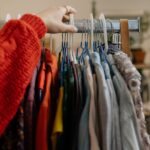
Sustainable fashion op shopping means buying pre-loved clothes so you don’t fund another new polyester run. Fast fashion pushes cheap, short-life garments into landfill; charity shops keep usable fabric in circulation and raise money for community programs at the same time.
If you’re building a wardrobe on a budget, second-hand is one of the easiest climate-friendly swaps you can make this week. Here’s how thrifting fits a circular wardrobe without the greenwash.
The problem with fast fashion
Op shopping looks better when you see what fast fashion dumps into the system.
- Textile waste: Australians send a large volume of clothing to landfill each year, where synthetic fibres can take hundreds of years to break down. We cover this in detail in the dark side of donating clothes.
- Resource consumption: Making new clothing is water- and energy-heavy. Growing cotton and finishing a single tee can take thousands of litres of water.
- Chemical pollution: Textile dyeing fouls waterways when effluent isn’t controlled.
- Carbon footprint: Manufacturing, processing, and shipping garments all add emissions before a dress hits a rack.
How op shopping creates a sustainable solution
Every time you choose second-hand, you’re pushing back against that cycle. Here’s how.
1. It promotes a circular economy
The traditional fashion model is linear: take, make, dispose. Op shopping keeps resources in use longer. When you buy from a charity shop, you’re extending a garment’s life instead of sending it to tip prematurely.
2. It reduces your carbon and water footprint
A pre-loved item skips the water, energy, and raw materials that a new one would need. WRAP research shows extending the active life of clothing meaningfully cuts carbon, water, and waste footprints.
3. It diverts waste from landfill
When you buy (and donate usable items to) op shops, you join a reuse system. Australian charity retail collectively diverts hundreds of thousands of tonnes of textiles from landfill each year when stock is sellable.
4. It sends a message to the industry
Choosing second-hand over new tells brands you don’t want disposable trend cycles. As more people shop pre-loved, pressure grows for longer-lasting production. Pair that with reading on textile waste and charity shops.
Making your wardrobe even more sustainable
- Think before you buy: Even in an op shop, only buy what you’ll wear. Mindless thrifting is still consumption.
- Care for your clothes: Mend small holes, tighten buttons, and wash gently so pieces last.
- Dispose thoughtfully: If a garment is too worn to donate, look for textile recycling. Don’t default to the bin.
Op shopping is one of the most accessible paths to sustainable fashion in Australia. Pair it with careful buying and staffed drop-off when you clear your own closet.
But don’t treat thrifting as a free pass to overbuy. If a $4 top still sits unworn, you’ve only moved the waste problem into your wardrobe.
Practical habits that actually stick
Start with a one-in, one-out rule: if you bring home a jacket from Salvos, donate one you don’t wear. Shop outer-suburban floors when you want basics, and leave boutique vintage for pieces you’ll keep for years. Wash second-hand clothes before first wear, mend early, and skip “haul” culture that treats thrift like a cheaper shopping mall.
If you’re clearing a wardrobe, drop bags during opening hours rather than stuffing a full bin after dark. Sellable donations fund community programs; landfill-quality bags just cost charities disposal fees. Browse the op shops directory to find a staffed counter near you.
Frequently Asked Questions
Is op shopping really sustainable?
Yes when you buy items you’ll wear and donate quality goods back. It extends garment life and cuts demand for new production.
Does op shopping stop textile waste entirely?
No. Unsold and poor donations still become waste. Donate responsibly to reduce that burden.
Are op shop clothes better for the environment than new organic cotton?
Using existing clothes avoids new manufacturing impact. The best choice is wearing what you already own longest.
How does op shopping compare to clothing rental?
Op shops offer low-cost ownership. Rental suits occasional wear; op shops suit everyday wardrobe building on a budget.
Sources: WRAP clothing lifespan research; Charitable Reuse Australia; ACNC.
By Op Shops Hub Team
Need a local listing?
Browse verified businesses in our directory or read more guides on the blog.
Browse op shops All guides