Why Are Op Shops So Expensive? Charity Shop Prices Explained (2026)
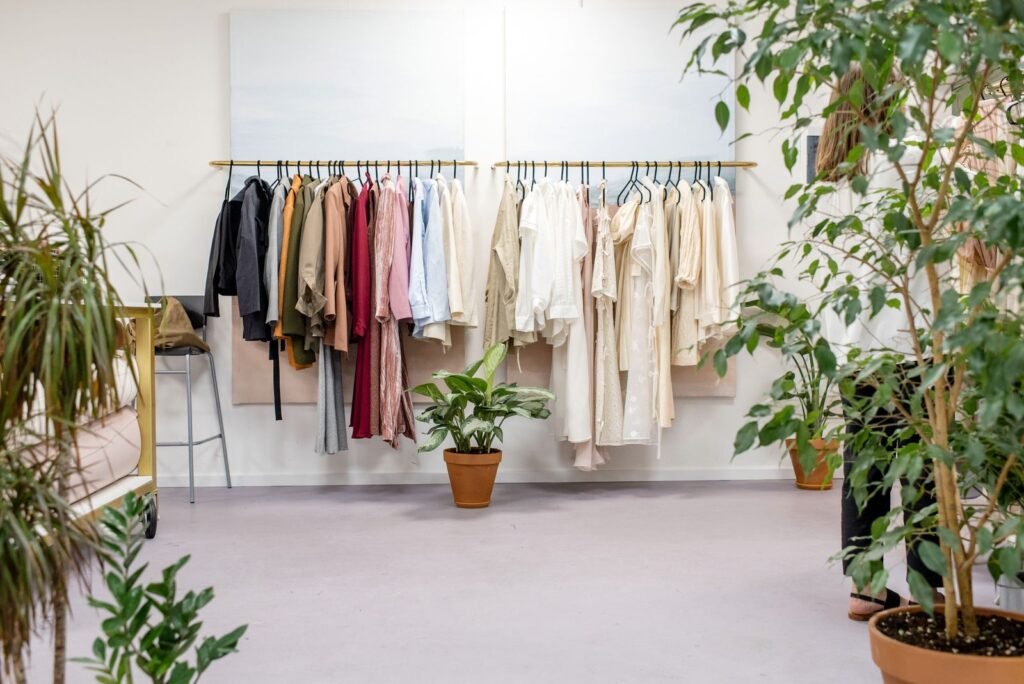
Why are op shops so expensive? Some Australian charity shops have raised prices on clothing, furniture, and homewares in recent years. Rising operating costs, more professional sorting, and stronger demand for second-hand goods have pushed prices up at many stores. That doesn’t mean every op shop is overpriced, but the bargain baseline has shifted.
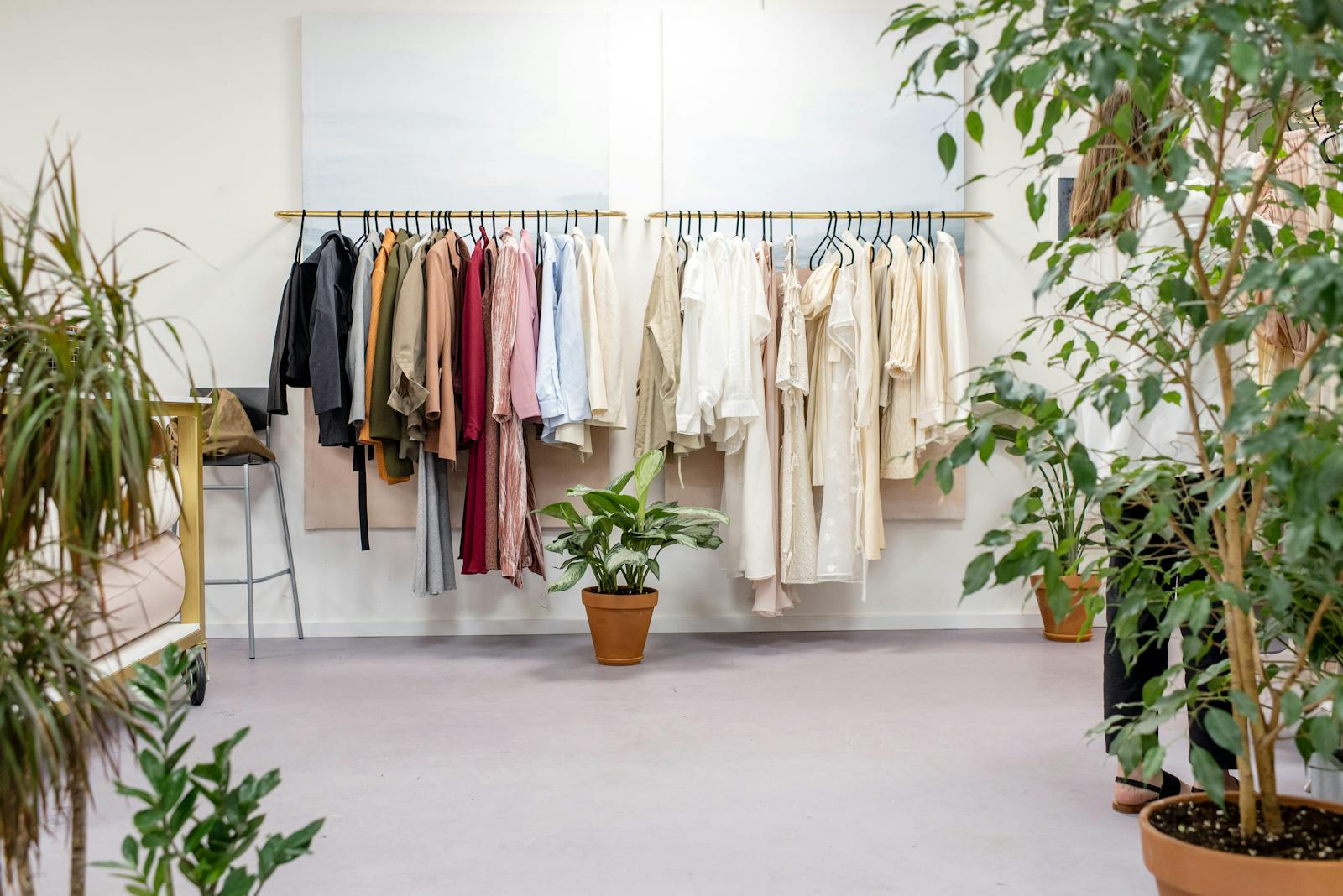
Social media posts and news coverage in 2025 and 2026 have highlighted $15 T-shirts and $80 sofas at charity shops. Those examples are real for some stores, yet other branches still sell basics for a few dollars. This is the primary Op Shops Hub guide on pricing. The shorter trend note lives at are op shops getting expensive.
| Factor | Effect on prices | Who it affects most |
|---|---|---|
| Rent, wages, waste disposal | Higher floor prices to cover overheads | All shoppers; especially inner-city stores |
| Online resale research | Staff price branded items closer to eBay/Gumtree | Hunters of designer and vintage pieces |
| Boutique-style curation | Premium sections with higher mark-ups | Fashion-focused thrifters |
| Cost-of-living demand | More buyers competing for the same stock | Budget shoppers on essentials |
If you want practical savings strategies, read op shopping on a budget in 2026.
Typical price bands by store type
These bands are rough guides from how Australian charity retail commonly prices in 2026, not a national price list. Always check the tag in front of you.
| Store type | Typical clothing prices | Who it suits |
|---|---|---|
| Suburban Salvos / Lifeline | $3 – $12 | Budget shoppers, families |
| Inner-city Vinnies (Newtown, Fitzroy) | $8 – $25+ | Vintage hunters |
| Boutique charity stores | $15 – $80+ for designer | Label seekers; still below retail |
| Salvos Super Store warehouse | $5 – $15 bulk basics | Volume buyers, furniture plus clothing |
A basic cotton tee at Vinnies Newtown or Fitzroy can sit higher than the same category at Vinnies Blacktown or a Dandenong Plaza floor. Paddington donors drop higher-end labels; warehouse Salvos at Tempe price for volume turnover, not boutique curation. If two suburbs differ by $5 on the same tee style, that’s normal.
The news context: why people are talking about it
Charity shop pricing became a talking point when thrifters shared photos of everyday items tagged at prices that felt closer to discount retailers than charity shops. Australian media picked up the story, commonly framing it as a tension between charities needing revenue and shoppers expecting rock-bottom prices.
The debate isn’t black and white. Charities use shop profits to fund crisis support, homelessness services, and community programs. When disposal fees for unsellable donations rise and commercial rent increases, stores face a choice: raise prices, cut services, or close branches. None of those options is popular.
At the same time, many households depend on charity shops for school uniforms, kitchenware, and furniture during a cost-of-living squeeze. When a chain T-shirt costs $12 second-hand, it is fair to ask whether the shop still serves that need. Both perspectives are valid.
Operating costs charities can’t ignore
Charity shops are retail businesses with a social mission. They’ve got to pay rent, power, insurance, and staff wages. In 2024 and 2025, several charities publicly noted higher waste-management bills for donations they can’t sell. Every stained mattress or broken toaster that arrives in a donation bag costs money to dispose of.
Larger chains have also invested in sorting centres, safety testing for electrical goods, and centralised pricing teams. That professionalism improves quality control but adds overhead that smaller volunteer-run shops did not carry decades ago. Those costs flow through to ticket prices on the shop floor.
Inner-suburban and regional stores face different pressures. A Salvos or Vinnies in a high-rent strip can need higher margins than a community charity shop in a regional town with donated premises. That’s why two branches of the same chain can feel like different worlds on price.
Smarter pricing for branded and vintage stock
Another reason some items look expensive: staff and volunteers increasingly check resale value before tagging. A Country Road coat or mid-century sideboard can be listed at a price that reflects what similar items fetch on Gumtree or Facebook Marketplace, not what a basic polyester top would sell for.
Charities argue this raises more money per item for their programs. Critics say it prices out budget shoppers and blurs the line between charity retail and commercial vintage stores. If you’re hunting labels, see our tips on finding designer brands second-hand and how charity shops price designer items.
For everyday basics, the same store may still have a cheap rail. Learn which section you are shopping before you decide the whole branch is overpriced.
When “expensive” is still good value
Context matters. A $40 charity shop sofa that would cost $400 new is still a strong deal for a student furnishing a share house. A $20 wool jumper in good condition can beat a $35 synthetic equivalent at a fast-fashion retailer. The question is whether the price fits your budget and the item’s condition, not whether it matches earlier years’ charity shop prices.
Boutique-style Vinnies and Salvos “super stores” commonly sit at the higher end. Traditional suburban branches and smaller community shops frequently remain cheaper. Savers, while not a charity in the same model as Salvos, also spans a wide price range depending on location and sales.
Compare two or three branches before writing off thrifting. One curated store doesn’t represent every charity shop in your city.
How to find lower prices if your local store feels costly
If your nearest charity shop feels overpriced, try these tactics before you write off thrifting entirely:
- Shop colour-tag sale days: Salvos and Vinnies run regular discount days by tag colour. See our guide to charity shops colour-tag sales.
- Try a different suburb: Stores in outer suburbs and regional centres commonly price lower than inner-city locations. Our cheapest places to charity shops guide covers the pattern.
- Visit on restock days: Newly tagged basics sometimes appear before premium items get picked over. Read when charity shops restock.
- Compare chains: Salvos, Vinnies, Lifeline, and Red Cross price differently. Our Salvos vs Vinnies comparison is a useful starting point.
- Check community shops: Church and local charity stores commonly have lower overheads and gentler pricing.
Resellers and the “charity shops flip” effect
Online reselling has changed how some charity shops price stock. When staff know a label sells quickly on Depop or eBay, they have an incentive to tag it higher in-store. That’s rational for fundraising, but it removes the accidental bargain that casual shoppers once enjoyed.
Professional pickers visiting daily also mean good items disappear before weekday shoppers arrive. This isn’t unique to Australia, but it contributes to the feeling that charity shops are “picked clean” unless you shop at opening time on restock days.
If you’re shopping for yourself rather than resale, weekday mornings and outer-suburban stores remain your best defence. For ethical context on the second-hand economy, see sustainable fashion and charity shopping.
What charities say publicly about pricing
When pricing criticism spikes, major chains commonly respond that charity shop revenue funds essential services: crisis accommodation, food relief, financial counselling, and disability support. Salvos and Vinnies have both stated in media interviews that disposal costs for unsellable donations consume a growing share of retail budgets.
Some stores have trialled dedicated budget rails or “$5 and under” sections in response to community feedback. Policies differ by state and store manager. Ask locally if your branch runs a low-price section.
Understanding the charity side does not erase the affordability problem for shoppers on tight budgets. It explains why prices are unlikely to return to historical lows across the board.
The fairness question: who are charity shops for?
Charities need revenue. Low-income households need affordable goods. Thrifters want vintage finds. Resellers want margin. Every charity shop balances those audiences with limited stock and finite floor space.
There’s no single correct price for a donated cardigan. What feels expensive to a pensioner can feel fair to a charity pricing a near-new jacket that will fund a night of crisis accommodation. Public debate in 2026 has pushed some chains to review pricing policies and keep dedicated budget sections, but the underlying cost pressures aren’t going away.
When you can afford to pay a little more at a charity shop, doing so directly supports charity work. If you can’t, targeting sale days, outer-suburban stores, and less curated chains remains your best strategy. Both choices are reasonable.
Building a personal price reference list
Budget-conscious shoppers benefit from a mental (or phone note) price list for items they buy commonly: kids’ school pants, coffee mugs, standard T-shirts, dinner plates. When you know Kmart charges $8 for a tee and your charity shop wants $10 full price, you wait for colour tag day instead of impulse buying.
After three or four visits, you will learn which local branches overprice basics and which still tag them at $3 to $5. That local knowledge beats any national generalisation about whether charity shops are “too expensive.”
Track where your money goes. Spending $25 at Salvos on a colour tag day for a week’s worth of kids’ clothes beats $25 on one full-price item at a boutique-style branch. Location and timing beat chain loyalty.
Frequently Asked Questions
Why are charity shops so expensive in 2026?
Rising rent, wages, waste disposal costs, and stronger demand for second-hand goods have pushed prices up at many stores. Professional sorting and online price research also mean branded items are tagged higher than they were a decade ago.
Are all charity shops overpriced now?
No. Prices vary widely by chain, suburb, and item type. Boutique-style branches and designer sections cost more; outer-suburban stores and colour-tag sale days still offer low prices on basics.
Is it wrong for charities to charge higher prices?
Charities use shop profits to fund services such as homelessness support and family crisis programs. Higher prices on quality items can raise more revenue, but stores also face criticism when essentials become unaffordable for people on tight budgets.
Where can I still find cheap charity shop bargains?
Try sale days, stores in outer suburbs, community-run shops, and larger warehouse-style Salvos locations. Compare chains and visit on weekdays when stock is fresher.
Should I complain about charity shop prices on social media?
Feedback can prompt chains to review pricing, but remember that volunteers and staff rarely set policy. If a specific item seems mispriced, ask a manager. For systemic concerns, contact the charity’s head office through their website.
Have charity shop prices gone up more than inflation?
Some categories, especially curated fashion and furniture, have risen faster than basic CPI because of resale research, boutique curation, and higher waste-disposal costs. Basic clothing on sale days can still compare well to historical prices if you shop strategically.
Do online charity shops charge more than physical stores?
Many charity chains now list select items online at prices that reflect eBay or Depop research. In-store colour tag sales commonly remain the cheaper channel for budget shoppers who visit on the right day.
Will charity shop prices come down again?
Basics on sale days will likely stay affordable at many branches, but a full return to across-the-board low pricing is unlikely while rent, wages, and waste costs remain high. Shop strategically rather than waiting for a market-wide reset.
Are boutique charity shops worth the higher prices?
When you want curated designer fashion at a fraction of retail, yes. If you need cheap school socks and plates, stick to traditional suburban stores and colour tag sale days instead.
What should budget shoppers take from rising charity shop prices?
Charity shop pricing in 2026 reflects real cost pressures, smarter sorting, and higher demand for second-hand goods. Complaints about “$15 T-shirts” are valid in context, but bargains still exist for shoppers who choose the right store, suburb, and sale day. Use this guide as a map, not a reason to give up on thrifting entirely.
Every branch is different. Visit two or three stores in your area before deciding that thrifting no longer pays off. The expensive reputation commonly comes from one boutique-style store, not the whole second-hand market.
Where to keep reading on thrift pricing
Continue with sale-day tactics, suburb comparisons, and designer-pricing context when you want a fuller shopping plan:
- Short trend note: are charity shops getting too expensive?
- Charity shopping on a budget in 2026
- Cheapest places to thrift in Australia
- How charity shops price designer items
- Colour tag sales explained
Browse our 2026 pricing debate news and the locations directory to compare stores near you. Pair this guide with sale-day shopping and outer-suburban visits for the best results on a tight budget.
Sources: See also the Australian Charities and Not-for-profits Commission for baseline guidance on registered charities and fundraising retail.
Last updated: September 2026. Sale schedules and branch pricing still change, so confirm details locally before you travel.
By Op Shops Hub Team
Need a local listing?
Browse verified businesses in our directory or read more guides on the blog.
Browse op shops All guides