Op Shopping on a Budget: Cost of Living Guide (2026)
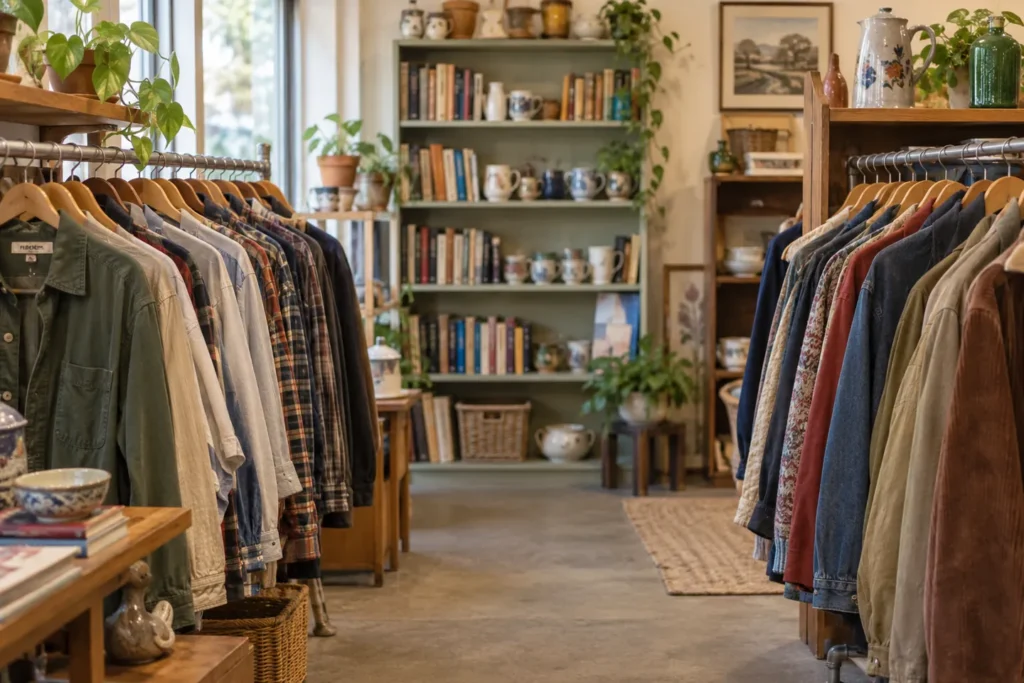
Op shopping budget cost of living pressure still has a practical answer: charity shops. Higher rents, grocery bills and energy costs have pushed more Australian households toward op shops for clothing, kitchenware and furniture. You can clothe a kid or furnish a rental without a full retail spend, if you shop sale days and pick the right suburbs.
For context on rising prices, see why op shops seem expensive and are op shops getting too expensive.
| Budget goal | Best op shop tactic | Typical saving vs retail |
|---|---|---|
| School uniforms & kids clothes | Outer-suburb Salvos + colour tag days | commonly 70–90% below new |
| Kitchen starter kit | Large-format charity stores | Plates, pans from a few dollars each |
| Furniture for a new rental | Salvos super stores; shop mid-week | Major saving vs flat-pack retail |
| Work wardrobe refresh | Vinnies + inner-suburban stores | Quality pieces at a fraction of retail |
Pair this guide with cheap second-hand clothes in Australia and cheapest places to op shop. Map stores on our locations directory.
Why op shops matter more in 2026
Grocery, rent and utility costs have pushed many Australians to rethink discretionary spending. Op shops offer a release valve: you can clothe a child, furnish a spare room, or replace a broken kettle without a Kmart run that adds to fast-fashion waste. Outer-suburban Salvos colour-tag days still do that job. Inner-city boutique rails often don’t.
At the same time, op shop prices aren’t frozen in time. Some stores charge more for branded items and boutique-section stock. Don’t rely on nostalgia for $1 everything. Budget shoppers need a strategy. The sections below build that plan around sale days, suburbs and a written list.
Rule 1: shop sale days, not random visits
The single biggest budget lever is timing. Salvos and Vinnies colour tag sales discount one tag colour by 50% on set weekdays. Flat-price days ($2 clothing events) appear on Facebook feeds with little warning.
- Follow three to five local stores on social media.
- Ask staff which weekday is the colour sale at your branch.
- Plan purchases around sales rather than impulse trips.
If you only remember one habit, make it this one. Full details in our colour tag sales guide and best day to go op shopping.
Rule 2: choose suburbs that match your budget
Inner-city and affluent-suburb op shops commonly price higher because donations skew toward designer labels and rent costs more. Outer suburbs, regional centres and community-run stores frequently offer lower baseline prices on basics.
If your local Vinnies feels costly, drive 20 minutes to a different council area. Use our op shop directory to map alternatives. Compare Salvos vs Vinnies in your area: Salvos commonly wins on furniture and sale-day volume; Vinnies can win on durable workwear if you shop carefully.
Rule 3: know what’s still genuinely cheap
Even in 2026, these categories routinely beat retail on price at charity shops:
- Kids clothing: Outgrown fast; donations are plentiful.
- Books and puzzles: Lifeline shops excel here.
- Kitchenware: Mugs, baking trays and utensils from $1–$5.
- Basic menswear: Many stores report oversupply; shirts and trousers can be very cheap.
- Costumes and school events: One-off needs without retail mark-ups.
Categories where prices have climbed most: curated designer fashion, mid-century furniture and near-new premium homewares. Stick to basics on sale days and leave premium rails to resellers if money’s tight.
Rule 4: build a monthly op shop list
Random browsing leads to full-price impulse buys. Instead, maintain a short list:
- Write down what you actually need (sizes, measurements for furniture).
- Set a monthly op shop budget in cash if that helps you stop at the limit.
- Visit only on sale days until the list is cleared.
- Skip items that fail the “would I pay full op shop price?” test.
This mirrors classic grocery budgeting applied to thrifting. You still get the thrill of the find without blowing the household budget on a fifth mug. So you’re shopping with intent, not filling a bag because everything looks “cheap enough.”
Rule 5: combine op shops with free channels
Op shops are one layer of a low-cost household strategy. Add these at zero or low cost:
- Buy Nothing groups: Free local giveaways for furniture, baby gear and clothing.
- Council hard waste: Usable items appear on kerbs during clean-up weeks (check local rules).
- Clothing swaps: Schools and community groups run swap events each season.
- Online free listings: Gumtree and Facebook Marketplace “free” sections complement op shop runs.
Donate back when you can, but only quality goods. See fast fashion donations for why dumping low-quality clothes hurts charities.
Budget op shopping by household type
Students and share houses
Prioritise Savers or large Salvos stores for kitchen kits and furniture. Shop mid-week colour sales. Split transport costs with housemates for warehouse runs.
Families with growing kids
Target outer-suburb chains for school uniforms, shoes and toys. Follow restock patterns in when op shops restock. Buy sizes ahead when you find sales.
Retirees on fixed incomes
Community op shops and smaller church stores commonly have gentler pricing than boutique branches. Tuesday to Thursday mornings mean quieter aisles and easier browsing.
Remote and regional shoppers
Regional op shops frequently offer lower prices and less competition. Plan a monthly town-centre loop rather than weekly city trips if fuel is a constraint.
Tracking savings without obsessing over spreadsheets
You don’t need a complex spreadsheet to use op shops on a budget. A simple notes app entry after each trip works: date, store, amount spent, and what you bought. After a month, you’ll see whether sale-day trips outperform random visits.
Some households set a “$20 rule”: if an op shop item costs more than $20, it must replace something you’d otherwise buy new at higher cost. That filters impulse purchases while allowing worthwhile furniture or coat upgrades.
Op shops vs discount retailers in 2026
Discount chains compete hard on basics: socks, underwear, plain tees and flat-pack furniture. Op shops still win when you need variety, durability, or items discount retail doesn’t sell cheaply: wool coats, solid timber, branded shoes and complete kitchen sets assembled from mixed donations.
The budget move is hybrid shopping: op shops for clothing on colour tag days, discount retail only for specific new items (underwear, socks, exact-size school shoes if op shop racks fail you). For wider frugal context, see cheapest places to shop in Australia and thrifting Australia tips.
When op shop prices aren’t a bargain
Be willing to walk away. A $25 polyester top that costs $20 new at a discount retailer isn’t a deal. A $40 solid-wood desk that sells for $250 flat-pack is. Compare against retail alternatives in your head before reaching the counter. Chapel Street and Paddington cabinets can price like vintage dealers. Dandenong or Blacktown Salvos on a colour-tag day still clothes a kid for a few dollars.
If charity prices consistently exceed your budget for basics, try a different suburb, chain or sale day before concluding op shops aren’t for you. The market varies block by block. Outer-suburban Lifeline books and kids’ tees remain the reliable cheap categories even when fashion rails creep up.
Frequently Asked Questions
Is op shopping still cheaper than Kmart in 2026?
For many basics on sale days, yes. Colour tag half-price clothing and low-cost homewares commonly beat discount retail. Premium or boutique-section op shop items might not. Compare item by item.
What’s the cheapest op shop chain in Australia?
No single chain wins everywhere. Salvos commonly has strong sale days and furniture value. Lifeline excels on books and low-price clothing. Community stores can undercut both. Compare local branches rather than relying on national reputation.
How much should I budget for op shopping per month?
That depends on household needs. A practical approach: set a fixed cash limit, shop only on sale days, and buy from a pre-written needs list rather than browsing aimlessly.
Can op shopping replace buying new entirely?
With many clothing and homeware needs, mostly yes. Underwear, socks, specific sizing and some electronics are harder to source second-hand. Most budget households mix op shops with selective new purchases.
Where do I find budget-friendly op shops near me?
Search outer suburbs on our op shops locations directory, follow local stores for sale announcements, and try Salvos and Vinnies colour tag days mid-week.
Does op shopping help with cost-of-living stress?
For many households, yes. Clothing, homewares and furniture from op shops on sale days can cut discretionary spending while keeping usable goods in circulation.
Should I avoid op shops if I’m struggling financially?
No. They remain one of the most accessible low-cost shopping channels. Use sale days, outer-suburban stores and a written needs list so each dollar spent solves a real household gap.
Op shopping on a budget in 2026 is still one of Australia’s most practical responses to cost-of-living pressure. Shop sale days, pick the right suburbs, buy from a list, and walk past overpriced rails. Charities benefit when you buy thoughtfully, and your household keeps money that stays in your pocket.
Sources: See also www.acnc.gov.au and Australian Bureau of Statistics cost-of-living releases.
By Op Shops Hub Team
Looking for local businesses?
Browse verified listings across Australia with current hours, reviews and contact details.
Related guides
Need a local listing?
Browse verified businesses in our directory or read more guides on the blog.
Browse op shops All guides