How Do Op Shops Work? The Journey from Donation to Purchase (2026)
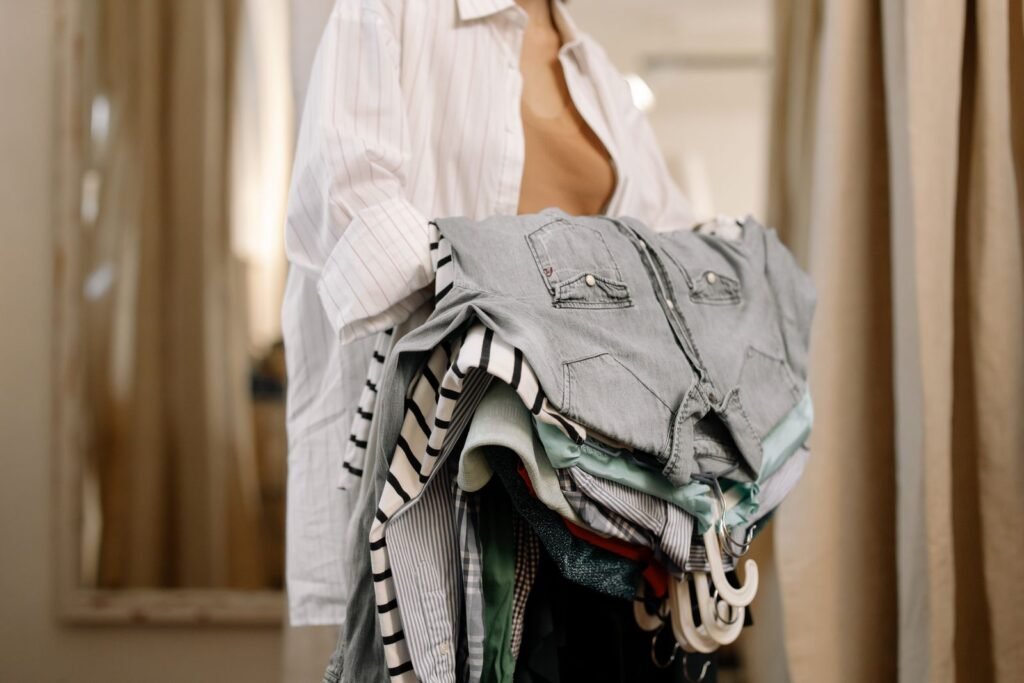
How do op shops work? They turn donated goods into cash for charity programs. You drop off pre-loved items (or staff collect large pieces), volunteers sort and price them, and shoppers buy at low prices. Profit funds homelessness support, disaster relief, aged care and other community services run by the charity.
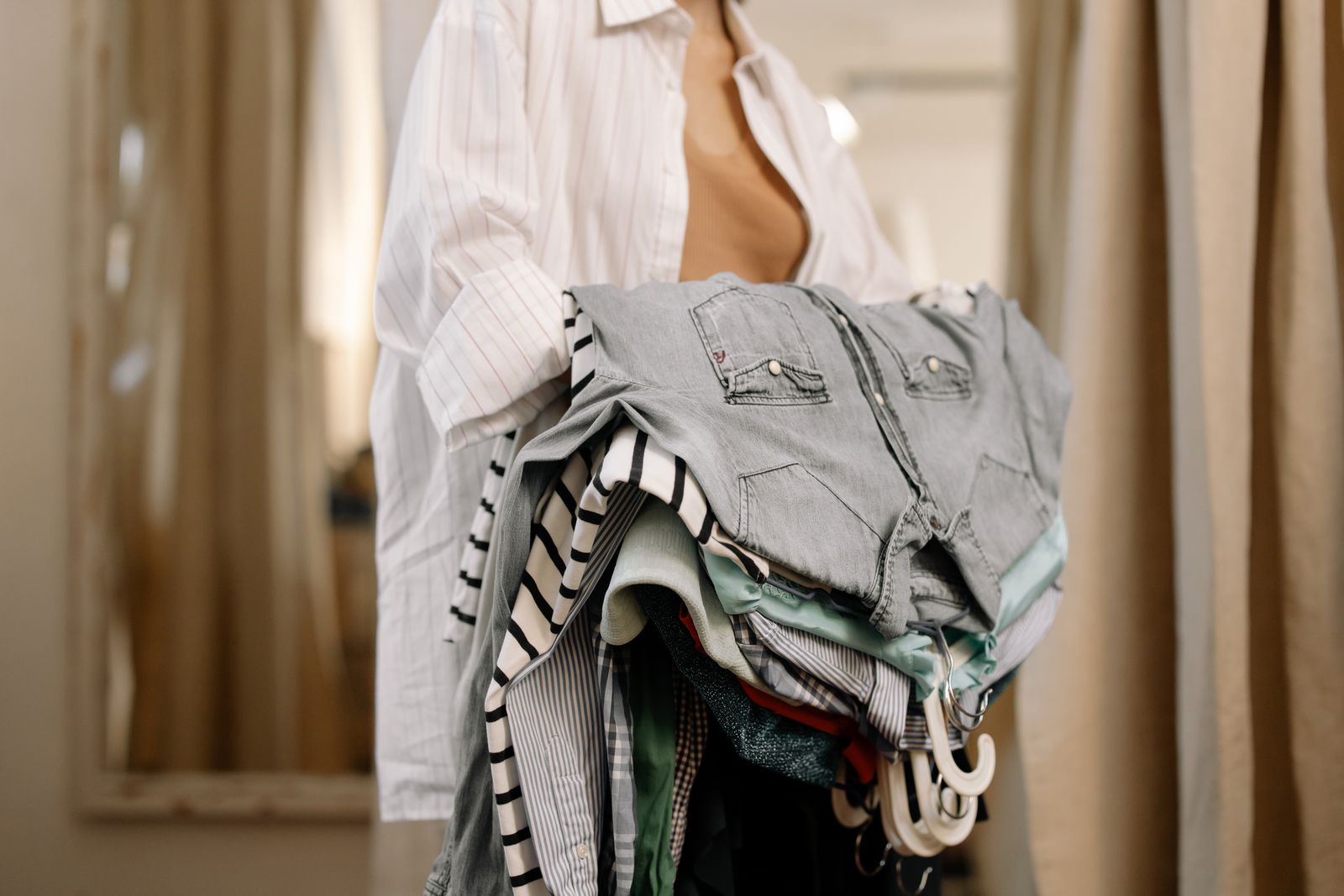
Every step from donation bin to checkout is part of that cycle. For definitions, see what an op shop is. For where the money goes, read where the money from op shops goes.
Step 1: The donation
The process starts with a donation from the public. These stores rely on freely given goods. People donate in several ways:
- In-store donations: Drop off pre-loved items at the counter during business hours.
- Donation bins: Metal bins in shopping centre car parks or outside stores.
- Collection services: Some charities pick up furniture and bulky items from your home by booking.
Donations should be clean, in good condition and suitable for resale. Don’t leave bags outside after hours. That creates dumping costs covered in donation bin etiquette. Read what not to donate and what to donate before you load the car.
Step 2: Sorting and processing
Donations go to a back room or central sorting facility. Staff and volunteers work through every item. Quality control separates damage, stains and missing parts for recycling or disposal. Goods are grouped into women’s wear, men’s wear, homewares, books and other sections.
Pricing comes next. Most items stay affordable; designer pieces can get individual tags. See how op shops price designer items. Op shops don’t wash clothing before sale. See do op shops wash clothes for why and what shoppers should do at home.
So the “free donated stock” story still sits on top of real labour. Sorting a messy bag can take longer than selling a clean one.
Step 3: Merchandising and selling
After sorting and pricing, items move to the shop floor. Volunteers display goods and keep racks organised. Staff run checkout, answer questions and maintain the store. Unsold items can be discounted or moved to another branch. Fresh donations replace them daily.
Many stores run colour-tag sales or half-price days. See op shop colour tag sales explained. If you’re hunting bargains, learn which colour is on before you leave home. But don’t assume every branch uses the same schedule.
Restock timing varies with volunteer capacity. Busy stores can take longer. Visit regularly rather than waiting for a mythical “restock hour.” See when op shops restock.
Step 4: Reinvestment of funds
Profit from sales goes back to the parent charity. That money funds shelters, meal programs, counselling, disaster response and other services. The model depends on volunteers. Their time keeps prices low and programs funded.
Learn about how to volunteer at an op shop or read about Vinnies’ community impact. If you’re shopping, remember the tag isn’t just a bargain. It’s program revenue after rent and sorting costs. Registered charities report that trading activity through the ACNC, which is why transparency pages matter when you care about impact.
How op shops differ from other second-hand stores
| Store type | Who runs it | Where stock comes from | Where profit goes |
|---|---|---|---|
| Op shop (charity) | Non-profit (Vinnies, Salvos, Lifeline) | Donations | Charity programs |
| Commercial thrift | Private business | Donations or purchased stock | Business owners |
| Vintage boutique | Private business | Curated purchases | Business owners |
| Consignment | Private business | Items from individuals | Split between owner and store |
See the full breakdown in difference between op shops, thrift stores, and consignment stores. Don’t mix the models when you compare prices. A consignment minimum isn’t the same as a charity rack tag. Commercial thrift can look similar on the floor and still send profit to owners, not programs.
Frequently Asked Questions
Do op shops pay for donations?
No. Donations are free gifts to the charity. The store sells them to raise funds. You can’t claim a tax deduction for dropping off a bag of clothes unless you donate to a registered DGR and obtain a receipt for eligible goods above the ATO threshold.
What happens to unsold op shop items?
Unsold stock can be discounted, sent to another branch, sold to textile recyclers, or disposed of if damaged. Policies vary by charity and state.
Can I shop and donate at the same visit?
Yes. Most stores accept in-store donations during opening hours. Don’t leave bags outside after hours.
How quickly do donations reach the shop floor?
Commonly within a few days, depending on volunteer capacity. Busy stores can take longer. There’s no fixed schedule; visit regularly to catch new stock.
Sources: ACNC · Vinnies Australia · Salvation Army Australia · Australian Taxation Office
By Op Shops Hub Team
Browse all locations to compare suburbs in your state.
Need a local listing?
Browse verified businesses in our directory or read more guides on the blog.
Browse op shops All guides