Op Shopping for Beginners: Your First Trip (2026)
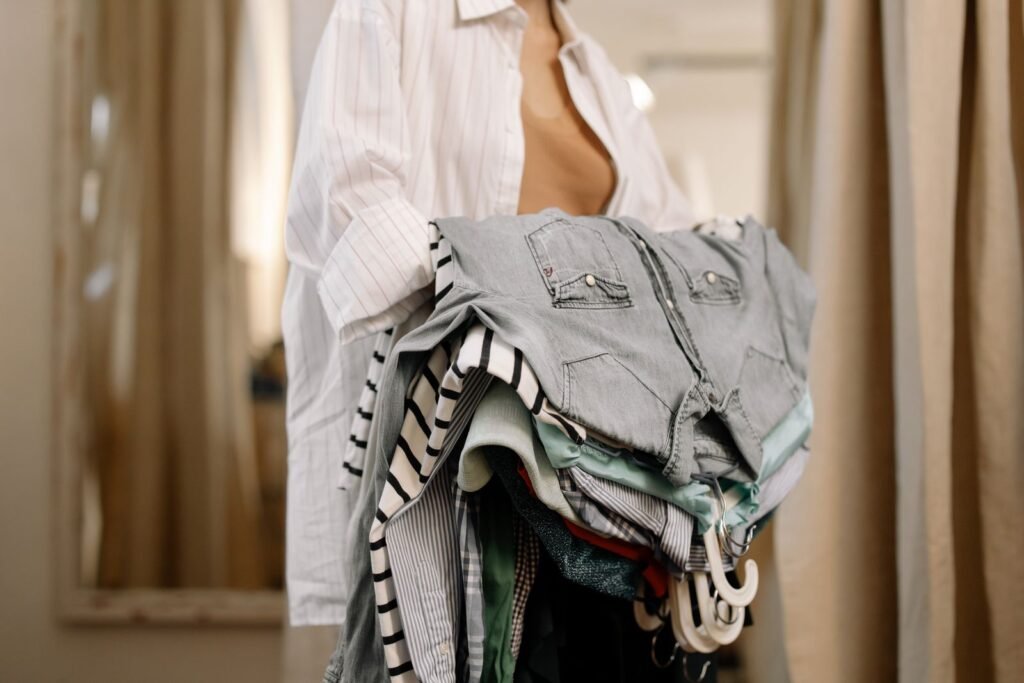
Op shopping for beginners is simpler than it looks. Wear easy layers for try-ons, scan racks for fabric quality not just size tags, inspect zips and underarms before you buy, and wash everything at home before first wear. Your first visit is practice; regulars find the best pieces by going on weekday mornings.
Start with what an op shop is, then use this checklist on your first trip.
Before you leave home
Don’t overthink the kit. A few small choices make the visit smoother and stop you buying things you can’t try properly. Wear easy layers. Pack a tote. Note one or two targets (winter coat, jeans in your size) but stay open to unexpected finds. Most stores take card; smaller shops can prefer cash.
- Clothes: Leggings or a simple top make trying on jackets and dresses easier when change rooms are busy.
- Bag: Bring a reusable tote; some stores charge for bags.
- Wishlist: Note one or two targets (winter coat, jeans in your size) but stay open to unexpected finds.
- Payment: Most stores take card; smaller shops can prefer cash.
If you’re driving to a warehouse Salvos, measure the boot before you fall in love with a coffee table. Furniture finds are useless if they don’t fit in the car. Start suburban (Blacktown, Dandenong, Logan) rather than a famous boutique if you’re testing whether thrifting works for your budget.
Your first 20 minutes in store
New shoppers often dive into one rack and miss half the floor. Give yourself a quick structure instead. Walk the whole floor once. Spot homewares, books and standout clothing rails. Then work one clothing section at a time. Look at colour, fabric and cut before checking the size tag.
- Quick lap: Walk the whole floor once. Spot homewares, books and standout clothing rails.
- Systematic scan: Work one clothing section at a time. Look at colour, fabric and cut before checking the size tag.
- Quality check: Stains (collar, underarms), holes, missing buttons, broken zips.
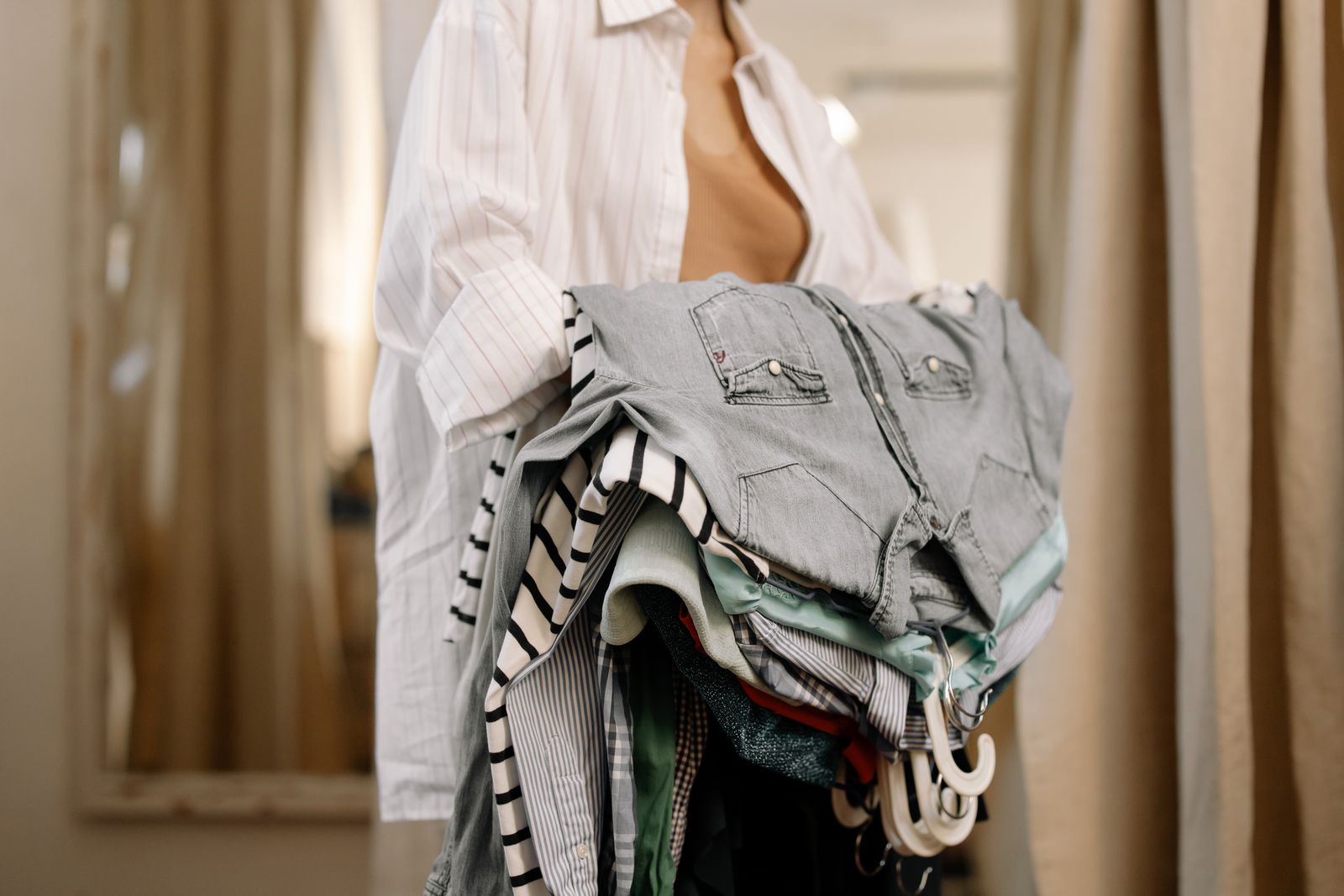
- Try-on: If you’re unsure about fit, use the change room or layer over your base clothes.
Natural fibres (cotton, wool, linen) commonly outlast cheap synthetics. Check the colour-tag or half-price board before you start browsing. That single habit saves more money than rushing every rack. For designer labels, see finding designer brands second-hand.
Beginner mistakes to avoid
These are the patterns that waste money or annoy volunteers. They’re easy to skip once you know them. Shopping only on busy Saturday afternoons is the classic one: weekday mornings are calmer with fresher stock. Buying without checking seams because the price is low still leaves you with a broken zip. Leaving tried-on clothes in change rooms is unpaid work for the next volunteer.
- Shopping only on busy Saturday afternoons (weekday mornings are calmer with fresher stock).
- Buying without checking seams and zips because the price is low.
- Leaving tried-on clothes in change rooms instead of re-hanging them.
- Wearing purchases unwashed (op shops don’t launder stock).
- Expecting one visit to fill a wardrobe; op shopping rewards repeat trips.
Etiquette detail: op shop etiquette. Hygiene: do op shops wash clothes. Some Vinnies branches limit try-ons to three items on busy Saturdays. Check at the door.
Where to go first
Find stores via our locations directory or city guides: best op shops in your city. Suburbs with several charity shops on one strip (Newtown in Sydney, Brunswick in Melbourne) let you compare stock in one outing.
Don’t start with a famous boutique charity store if you’re testing whether thrifting works for your budget. Start suburban, then add curated branches once you know what sizes and brands turn up in your area. More habits that save money: thrifting Australia tips and cheap second-hand clothes.
Building your first op shop route
Pick two stores within 15 minutes of each other: for example Lifeline plus Vinnies on the same suburban strip. Spend 30 minutes in each on a Tuesday morning. Note which had cleaner change rooms and fresher kids’ clothing.
Repeat monthly with the same route before exploring vintage boutiques that price higher. Once you’re comfortable, add a warehouse Salvos for furniture or bulk homewares. So you’re learning the system with low stakes, not treating one chaotic Saturday as your whole thrifting career.
First-trip budget and what to skip
Bring $20–$40 cash or card for a first visit. Books ($2–$5), scarves ($4–$8), and kids tees ($3–$6) are low-risk purchases while you learn each store’s layout. Skip furniture until you’ve sorted transport.
Wear easy-on shoes for trying footwear. Pack a reusable bag. Check change room rules at the door; some Vinnies branches limit items to three at a time on busy Saturdays.
Wash everything at home before first wear. That applies whether you shop Vinnies Newtown, Salvos Acacia Ridge, or a regional Lifeline on the highway. On your first trip, give yourself an hour, take a tote, and check the colour-tag or half-price board before you start browsing. That single habit saves more money than rushing every rack.
Frequently Asked Questions
What should I buy on my first op shop trip?
Start with low-risk basics: books, scarves, kids clothes or a single jacket you can inspect easily. Save furniture until you know how you’ll transport it.
Are op shops only for people on a tight budget?
No. Shoppers of all budgets use op shops for value, vintage finds and sustainability. Prices are low, but quality varies rack by rack.
How often should beginners visit?
Every week or two if you’re hunting something specific. Stock turns over quickly; one monthly visit still works for casual browsing.
Can I return op shop purchases?
Most charity shops don’t offer returns. Check the item carefully before you pay.
Sources: See also www.acnc.gov.au and ACCC consumer guidance.
By Op Shops Hub Team
Need a local listing?
Browse verified businesses in our directory or read more guides on the blog.
Browse op shops All guides