Op Shop Etiquette: 10 Dos and Don’ts of Thrifting (2026)
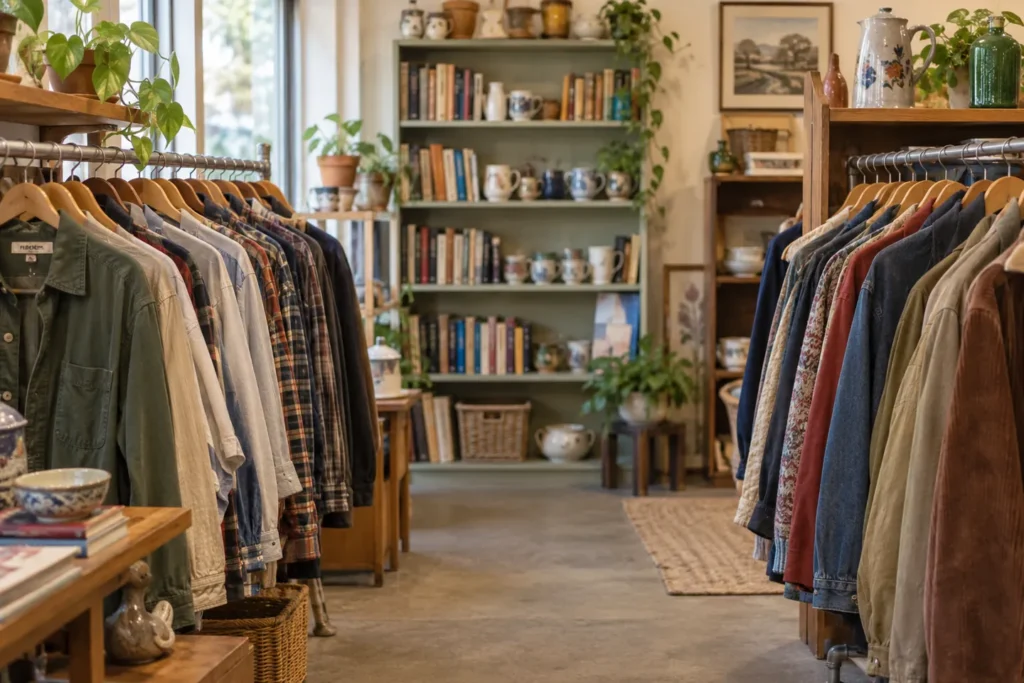
Op shop etiquette is how you treat volunteers, hangers, change rooms and donations so the next person can still use the shop. Prices fund charity work. A polite till queue and a bagged drop-off matter more than a $2 win.
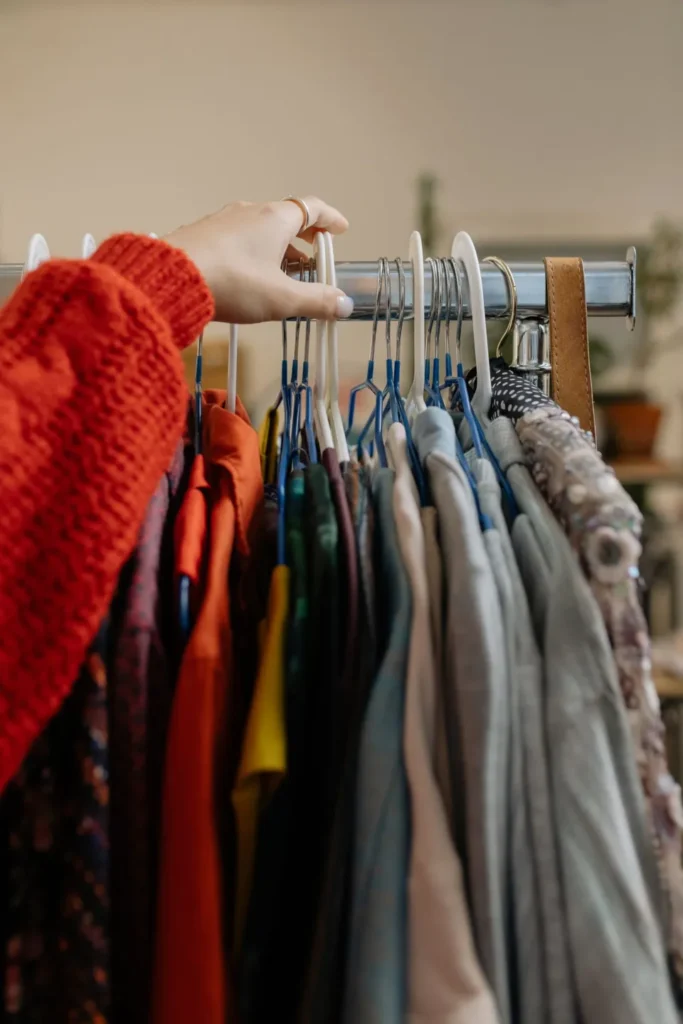
Check the branch before taking donations. The Brunswick op shop listings and Hampton op shop listings give you local contacts to ask about accepted items, drop-off arrangements and opening hours. A listing does not confirm that a shop can take your load today.
The dos: how to be a great op shopper
Say hello and wait your turn at the till. If you reject a jacket, hang it back on the same rail rather than leaving it on a table. Keep the change room clear for the next shopper. Staff and volunteers have to sort abandoned items before anyone else can try them on.
Handle glass and ceramics with two hands. If you chip a mug, say so. Kids can come, but the floor is not a playground. Sales are usually final, so check zips, underarms and chips before you pay. Test a kettle only if staff point you to a power point. For first-trip habits, see op shopping for beginners. A polite queue still beats a $2 win.
The don’ts: mistakes that slow a charity till
Do not haggle a laminated tag at Vinnies or Salvos. That is core op shop etiquette. The volunteer on the till cannot rewrite a price to win an argument. If you want cheaper, wait for a colour-tag day instead of bargaining a locked jewellery cabinet. Sale days beat a scene. Rare cases where a quiet ask is fair sit in how to negotiate prices at op shops.
Don’t hoard a trolley of “maybe” while other shoppers wait on the same size. Sort before you queue. Never use a browse as cover to dump broken, dirty or unsaleable goods. That costs skip fees. Full list: what not to donate to op shops. Don’t snatch from someone’s hands on a crowded Saturday. Extra habits: thrifting Australia tips.
Donation-day manners (the bit shoppers skip)
Sort donations by item type and check that they are clean, dry and usable. Ask about furniture before bringing it, and never leave goods outside a closed donation point. The Kyneton dumping report describes why unwanted dumping creates work for charity shops. Follow the branch’s instructions about where and when to unload.
Phone first if you are bringing a ute of mixed goods. Ask which items the branch accepts, whether it has room for bulky goods and whether donation hours differ from shopping hours. A chain-wide donation guide is a starting point; the receiving branch can tell you about current limits.
If the shop cannot accept an item, take it home and arrange another suitable destination. Our opening-hours guide explains why a recorded retail schedule is not a promise of donation access.
Frequently Asked Questions
Can I try on clothes at op shops?
Ask staff whether a change room is available and follow any item limit shown in the store. Return unwanted items to hangers rather than leaving them on the floor.
Are dogs allowed in op shops?
Usually no, except assistance dogs. Check at the door if unsure.
Can I take photos in op shops for resale listings?
Ask staff first. Some stores discourage photos; others are fine if you are not blocking aisles.
Is it rude to browse without buying?
No. Browsing is normal. Putting items back neatly is what matters.
Sources: Etiquette is editorial; consumer context via ACCC; charity context via ACNC.
By Op Shops Hub Team
Browse all locations to compare suburbs in your state.
Looking for local businesses?
Browse verified listings across Australia with current hours, reviews and contact details.
Related guides

Need a local listing?
Browse verified businesses in our directory or read more guides on the blog.
Browse op shops All guides