Fast Fashion Donations: Why Op Shops Reject Kmart & Shein (2026)
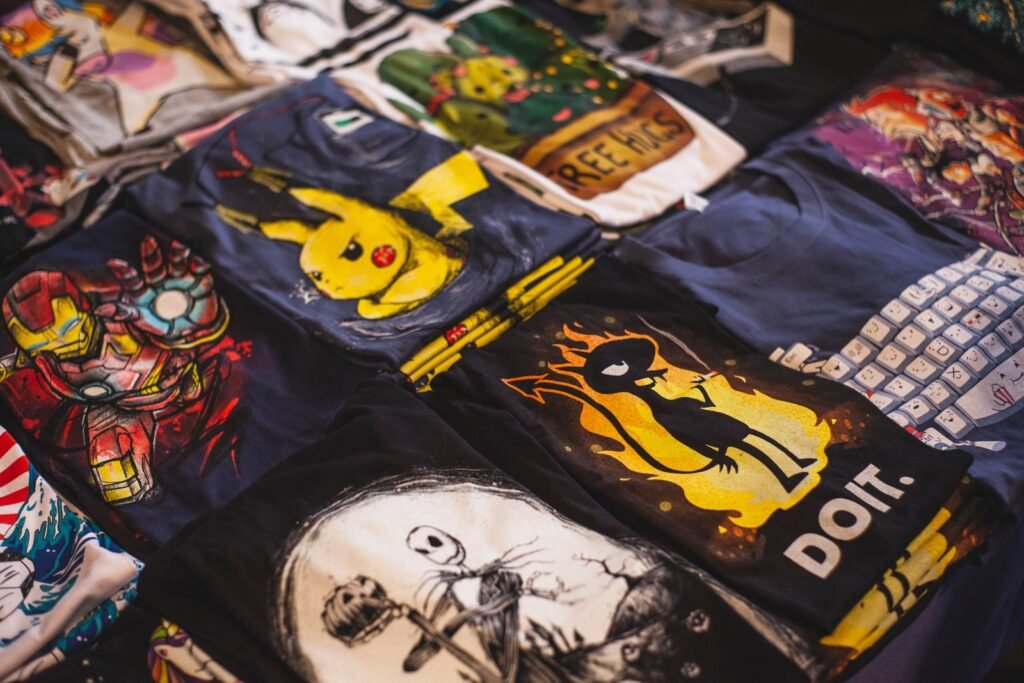
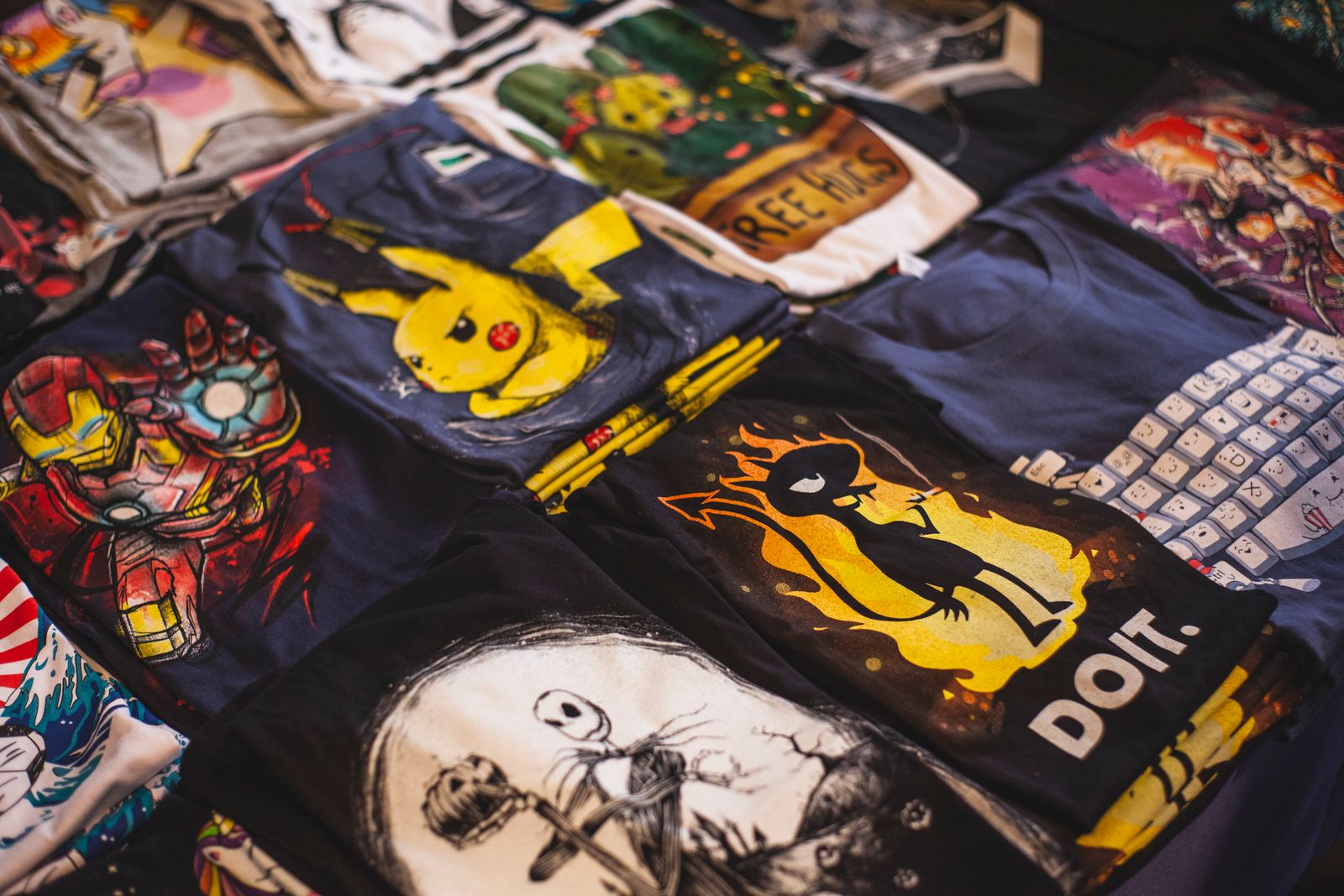
Fast fashion donations op shops are increasingly turned away or sent straight to textile waste. Charities are drowning in cheap polyester from Kmart, Cotton On, Shein, Temu and similar brands. The garments arrive in volume, sell slowly, and cost money to dispose of when they don’t move.
This isn’t snobbery about budget brands. It’s a capacity problem. Op shops need sellable stock to fund their work. When rails are already packed with $5 T-shirts that nobody buys, adding more helps no one. This guide explains why fast fashion clogs the system and what to do with those items instead.
| Issue with fast fashion donations | Impact on op shops | Better alternative |
|---|---|---|
| Oversupply of identical basics | Rails full; slow turnover | Pass to friends, Buy Nothing groups |
| Poor fabric condition after few wears | Unsellable; disposal costs | Textile recycling |
| Stained or stretched low-cost items | Volunteer time wasted sorting | Bin via textile recycling, not donation bag |
| Online ultra-fast fashion (Shein, Temu) | Quality too low for shop floor | Buy less; recycle worn pieces |
For broader donation rules, see what not to donate to op shops and op shops not accepting donations. For policy context, read Seamless textile scheme news.
Why op shops have too much fast fashion already
Australian charities have reported for several years that clothing donations outpace sales. Much of the excess is low-cost fast fashion: thin fabrics, trendy cuts that date quickly, and garments worn only a handful of times before pilling or losing shape.
Shoppers browsing op shops commonly skip these items because they can buy similar new pieces at Kmart or Target for a few dollars. That leaves charities storing and eventually disposing of stock that never sold. Disposal isn’t free. Every kilogram sent to landfill or textile waste processors comes out of funds that could support community programs.
So when you add another bag of mixed fast-fashion tops to that pipeline, you’re not helping the charity. You’re adding sorting labour and potential waste fees. That’s why signs saying “donations paused” appear at busy branches.
What happens to Kmart and Shein clothes after donation
When fast-fashion items enter the sorting room, volunteers assess whether they’re clean, wearable and likely to sell. Items that fail any of those tests go to textile waste or landfill. Items that pass can still sit on the rack for weeks before being pulled and discarded during a clearout.
Shein, Temu and similar ultra-fast-fashion brands fare worst. Thin fabric, inconsistent sizing and short wear life mean many pieces never reach the shop floor. Staff recognise these labels and commonly route them out early to save rack space for better-quality donations.
But that doesn’t mean every Kmart or Cotton On item is rejected. A clean, barely-worn cotton dress in good condition can still sell. The problem is volume and condition, not the brand name alone. Ten good items beat a garbage bag of stretched leggings and faded promo T-shirts.
What op shops actually want instead
Charities need donations that sell within a reasonable timeframe. Useful categories during oversupply periods include quality natural fibres (wool, linen, cotton in good condition), classic styles that don’t date within one season, recognised durable brands, current-season menswear, and homewares or furniture when the store has space.
See what to donate to op shops for a full list. The test remains: would you give this to a friend? If you wouldn’t, don’t make volunteers sort it. Menswear in current sizes is often welcomed when women’s fast-fashion rails are already full.
What to do with fast fashion you cannot donate
If your wardrobe clear-out is mostly low-cost fast fashion, try these steps before the op shop bin:
- Sell or give away wearable pieces online: Facebook Marketplace, Gumtree and Buy Nothing groups move basic clothing to people who will use it now.
- Clothing swaps: Community events and friend circles redistribute fast fashion without burdening charities.
- Textile recycling: Worn, stained or damaged garments belong here, not in a donation bag. Find programs via Recycling Near You.
- Brand take-back schemes: Some retailers run in-store recycling bins. Drop-offs vary by chain and location.
- Cut back at source: Fewer impulse buys from Shein and Temu means less end-of-life waste later.
For more on responsible disposal, see the dark side of donating clothes.
How staff sort fast fashion in the back room
Sorting volunteers and paid staff work quickly through donation bags. Fast fashion is commonly recognisable by brand labels, fabric weight and condition. Items with pilling, stretched seams or fading can go straight to textile waste bins.
Training materials used by major chains emphasise sell-through speed: if an item likely sits on the rack for weeks, it may not reach the floor at all. That’s why your clean Kmart tee can be accepted at a quiet regional store but rejected at a busy inner-city branch with full rails.
Sorting decisions aren’t personal. They reflect storage limits and the charity’s duty to minimise disposal costs that drain program funding.
Brand-specific donation tips
Not all fast fashion is equal in the sorting room. Heavy cotton Kmart basics in good condition can still sell. Ultra-thin Shein blouses rarely do. Branded activewear with life left can move quickly. Pyjamas and leggings with pilling usually don’t.
When in doubt, hold the item to light, stretch the fabric gently and check seams. If it looks tired after minimal handling, recycle it. If it looks like something you’d pack for a trip, it can be donate-worthy at the right store.
Seasonality matters too. Donating winter coats in summer helps stores plan racks. Dumping holiday-themed fast fashion in March adds to off-season clutter that sells poorly regardless of brand.
The sustainability angle
Donating fast fashion feels like a sustainable act. It’s better than landfill, but only if the item actually sells and gets worn again. When it becomes charity waste, the environmental benefit disappears and the charity bears the cost.
Op shopping itself remains one of the most sustainable ways to buy clothing because it extends useful life. The problem is the one-way flood of low-quality goods into donation streams. Buying less, choosing better fabrics and recycling truly worn-out pieces breaks that cycle more effectively than dumping last season’s Shein haul at Vinnies.
If you want to shop more sustainably on a budget, read op shopping and the cost of living and thrifting tips for Australia.
Frequently Asked Questions
Will op shops accept Kmart clothes?
Many will accept clean, wearable Kmart items in good condition. They’re less likely to want large volumes of basic fast fashion that duplicate stock already on the racks. Quality and condition matter more than the label.
Why do op shops reject Shein donations?
Shein and similar ultra-fast-fashion items commonly fail quality checks. Thin fabric, poor construction and oversupply mean many pieces never sell and become a disposal cost for the charity.
Can I donate fast fashion to clothing bins?
Bin donations feed the same sorting pipelines as in-store drop-offs. During oversupply periods, partners can limit bin collections. Never leave bags outside a full bin.
Where can I recycle unwearable fast fashion?
Use textile recycling programs listed on Recycling Near You, retailer take-back bins where available, or council guidance for textile waste. Don’t put unwearable clothing in op shop donation bags.
Are charities being elitist by rejecting cheap brands?
The issue is volume and sell-through, not brand prestige. Op shops already receive more low-cost fast fashion than they can sell. Redirecting unwearable items to recycling helps charities focus on donations that fund their programs.
Fast fashion donations are clogging Australia’s op shop system. Donate selectively, recycle what can’t be sold, and buy less at the source. For store locations and donation policies, check our op shop directory.
Sources: ACNC · Recycling Near You · Vinnies Australia · Salvation Army Australia · DCCEEW
By Op Shops Hub Team
Need a local listing?
Browse verified charity shops in our directory for hours and addresses, or read more guides on the blog when you want donation and thrift tips first.
Browse op shops All guides