How to Clean Used Furniture Bought From Charity Shops (2026)
To clean used furniture bought from charity shops, wipe hard surfaces with mild soap, vacuum and deodorise upholstery, fix light rust on metal, and do that work in a garage or car park before the piece enters your living room. You don’t need specialist gear for most Salvos or Vinnies finds.
Op shops are still among the cheapest places to shop for tables and chairs. A quick clean keeps dust, musty smells, and unknown garage grit out of your house. Same hygiene idea as washing second-hand clothes.
Cleaning wooden furniture (dressers, tables, chairs)
Solid timber lasts, but shop-floor dust and sticky fingerprints sit in the grain. Don’t soak the wood. Work damp, then dry fast.
- Dust first: Soft microfiber cloth. Pull drawers and wipe runners too.
- Mild soap wipe: A few drops of dish soap in warm water. Wring the cloth hard so you’re not flooding veneer.
- Rinse and dry: Second cloth with plain water, then a dry cloth so you don’t leave water rings.
- Odours and carvings: Equal parts white vinegar and water on a barely damp cloth. Soft brush for carved edges. Skip vinegar on unfinished raw timber if you’re unsure of the finish.
- Optional polish: Once dry, a light furniture polish buffed with the grain. A furniture polish guide helps if you want product picks.
If the piece still smells musty after a soap wipe, leave it in dry sun for a few hours with drawers open. Don’t leave veneer baking in harsh midday heat for a full day.
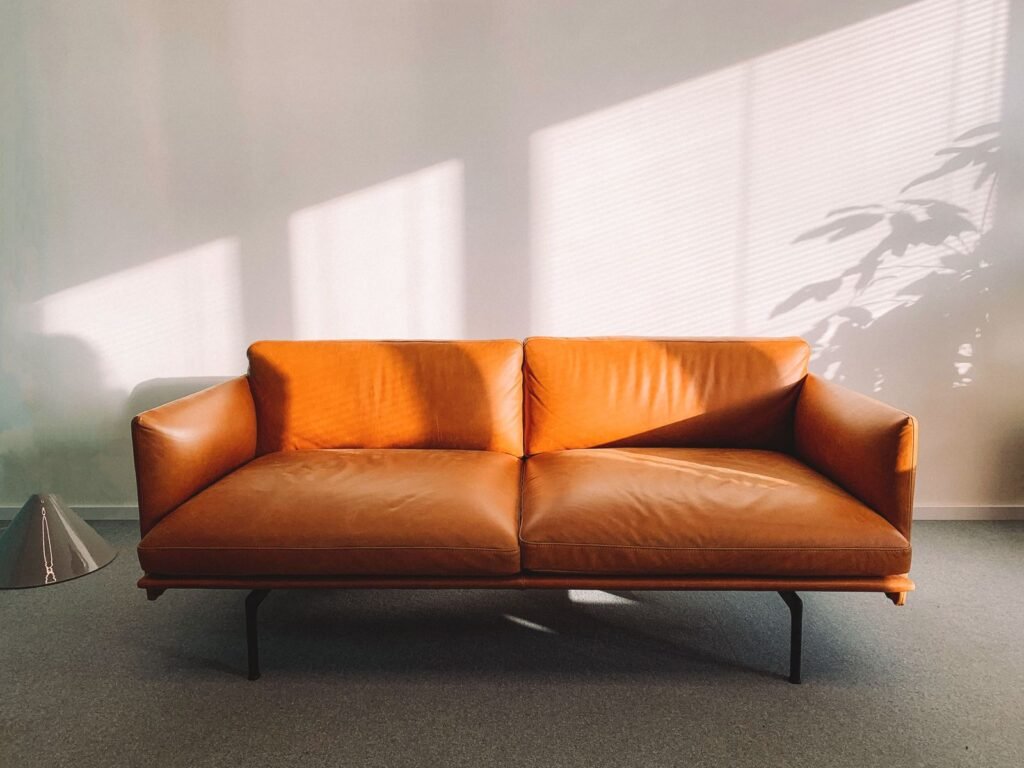
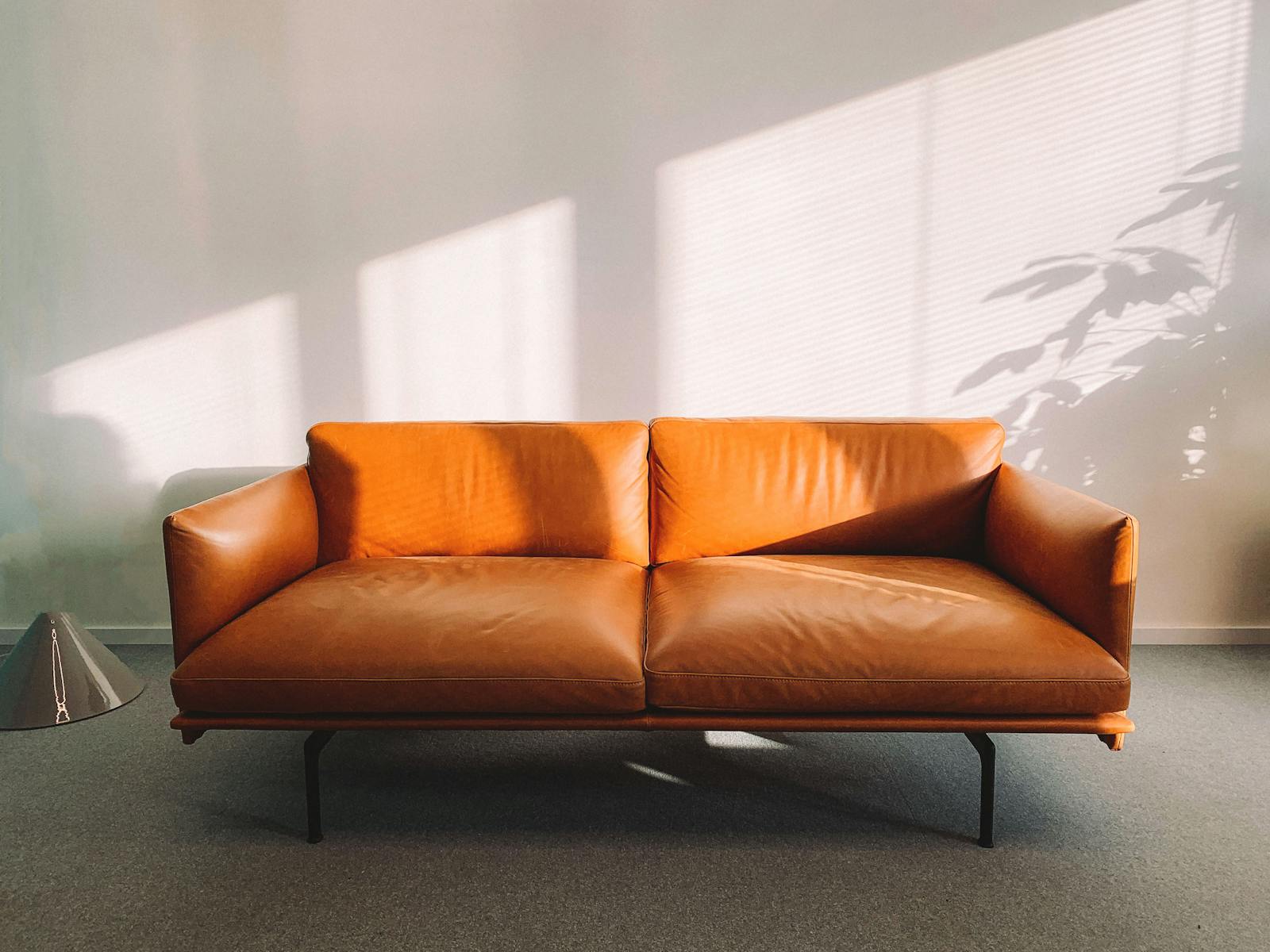
Cleaning upholstered furniture (sofas, armchairs)
Fabric holds dust, pet hair, and smells. Take your time here. It’s worth more effort than a timber table.
- Air it: Sunny, dry spot outdoors for a few hours if you can. Sunlight helps with musty odours.
- Vacuum thoroughly: Brush attachment on every surface. Lift cushions. Use the crevice tool on seams and under frames.
- Baking soda: Sprinkle fabric, wait at least an hour, vacuum again. Repeat if the smell’s stubborn.
- Spot clean: Test any cleaner on a hidden patch first. A CHOICE stain guide covers portable spot cleaners and upholstery shampoo options.
- Steam or pro clean: Only if the fabric label allows it. Hire steam gear or book a cleaner for a sofa you plan to keep for years.
Skip pieces with active mould bloom, wet staining, or pest signs. Cleaning won’t fix structural hygiene problems you shouldn’t bring indoors.
Cleaning metal and plastic furniture
These clean fast, but rust and scratches are the usual traps. Don’t use abrasive scourers on soft aluminium or painted frames.
- General wash: Warm water, mild soap, soft cloth. Dry fully so water doesn’t sit in joints.
- Light rust: Paste of baking soda and water. Sit 30 minutes, scrub gently with a soft brush, rinse, dry.
- Protect outdoor metal: A thin coat of car wax after cleaning slows new rust on patio chairs.
Cracked plastic that can pinch skin or snap under weight isn’t worth saving. Same for metal legs that wobble at the weld.
Before you bring furniture indoors
Inspect joints, drawers, and upholstery in the car park or garage first. Look for pest signs: small holes in fabric, frass near timber, live insects. If it smells strongly of mould, walk away. Another warehouse Salvos will have another table next week.
Wipe hard surfaces outside before they cross the threshold. That keeps shop dust out of carpets. In humid coastal suburbs, leave timber in a dry garage overnight so trapped moisture can evaporate.
Finding stock: op shop furniture near me and best op shops for furniture.
Quick clean kit that covers most finds
You don’t need a cupboard full of specialist products. Mild dish soap, two microfiber cloths, a vacuum with brush and crevice tools, baking soda, white vinegar, and a soft brush handle almost every op shop furniture clean. Add polish or a hired steam unit only for pieces you’ll keep long term.
Keep a spare sheet or movers’ blankets in the car so you can wrap a cleaned piece before it rides home on fabric seats. That habit saves more time than any fancy spray.
Frequently Asked Questions
Should I disinfect op shop furniture?
Washing, vacuuming, and sunlight cover most hygiene needs. Disinfectant sprays on hard surfaces are optional after a basic clean. Don’t soak upholstery in harsh chemicals.
Can I steam clean an op shop sofa myself?
Yes if the fabric allows it. Test a hidden patch first. Professional cleaning’s worth it for expensive or heavily soiled upholstery.
How do I remove musty smell from wooden furniture?
Wipe with mild soap, dry thoroughly, then air in sunlight. Vinegar on a damp cloth helps on sealed wood. If the smell won’t shift, the piece may not be a keeper.
Is second-hand furniture safe for babies?
Check stability, sharp edges, and recalls on cots or high chairs. Clean thoroughly and avoid flaking paint on older pieces. When you’re unsure, don’t use it in a nursery.
Do I need specialist products?
Usually no. Mild soap, a vacuum, baking soda, and sunlight cover most finds. Save commercial polish or steam hire for furniture you’ll keep for years.
Sources: CHOICE cleaning guidance · Australian Charities and Not-for-profits Commission
Find furniture-friendly stores near you in the op shops locations directory.
By Op Shops Hub Team
Need a local listing?
Browse verified charity shops in our directory for hours and addresses, or read more guides on the blog when you want donation and thrift tips first.
Browse op shops All guides