How to Style Clothes from an Op Shop (2026)
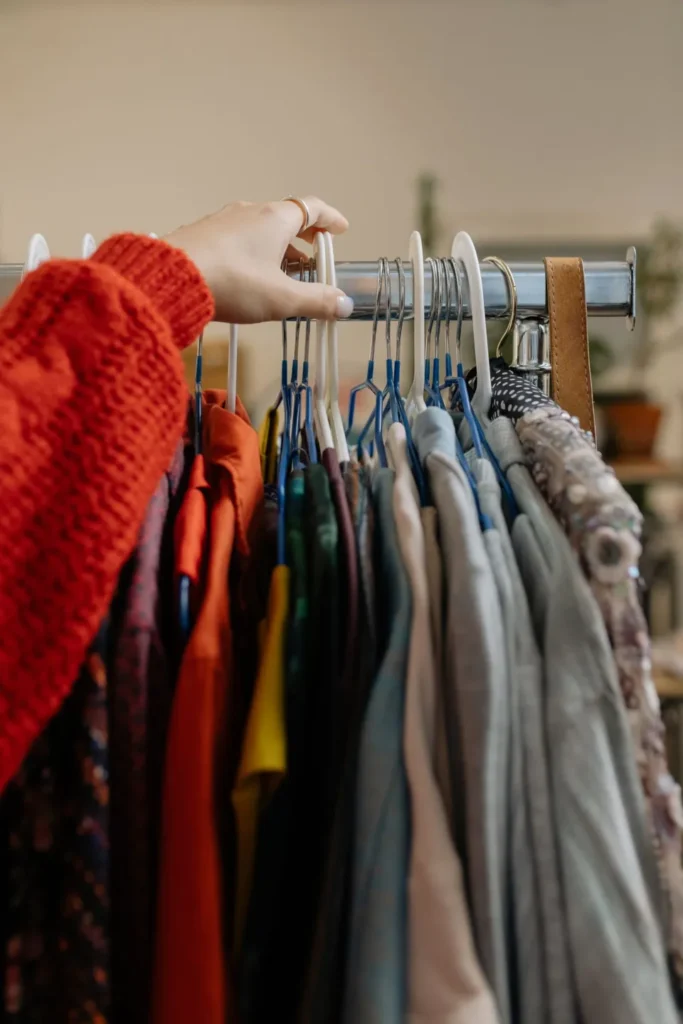
How to style clothes from an op shop: wash them first, pair one thrifted piece with wardrobe basics you already trust, and keep a loose colour theme. You don’t need a full op-shop outfit. One vintage blazer, thrifted denim, or second-hand skirt can anchor a simple look.
Wash everything before wearing. See whether op shops wash clothes for why that step matters.
Start with one statement piece
New to wearing op shop finds? Pick one item per outfit: a jacket, shirt, or trousers. Build the rest from clothes you already wear. That keeps the look familiar while the thrifted piece does the talking. Don’t force five thrifted pieces into one outfit on day one. Your eye gets better after a few successful mixes.
- Vintage blazer + plain tee + jeans + sneakers
- Second-hand midi skirt + neutral jumper + ankle boots
- Linen shirt from the op shop + shorts + sandals (summer)
A Country Road blazer from Vinnies over a Target tee still reads as an outfit. A whole rail of competing prints does not. Start small.
Stick to a loose colour or theme
Op shop hauls mix eras and labels. A rough colour palette keeps outfits coherent so you don’t look like you dressed from three different decades at once. A loud print needs quiet neighbours. That is usually enough. Neutrals (beige blazer, grey knit, white shirt) pair with black jeans you already own. A 70s wide-leg trouser wants a simple tank, not another pattern.
| Theme | What to buy at op shops | Pair with at home |
|---|---|---|
| Neutrals | Beige blazer, grey knit, white shirt | Black jeans, existing basics |
| 70s vibe | Wide-leg trousers, patterned shirt | Simple tank or fitted top |
| Work casual | Structured skirt, cotton shirt | Loafers, belt you already own |
| Australian summer | Linen, cotton dresses, straw bag | Sandals, sunglasses |
Layer and mix textures
Layering makes second-hand pieces look intentional. A thin shirt under a jumper, or a thrifted blazer over a dress, adds depth without buying a whole new wardrobe. Mix textures: denim, knit, cotton, leather. Op shops are strong on knits, blazers, and scarves for this reason. Steam wrinkles before you decide a piece “doesn’t work.” Creases kill more looks than odd buttons.
If a layer feels bulky in Brisbane heat, swap the jumper for a light shirt under the blazer. Same formula, different climate weight. Melbourne wool wants airing after purchase before it goes in a sealed bag.
Alterations when needed
If something is almost right but too long or loose, a hem or take-in can make it look made for you. Focus alterations on pieces you will wear weekly. Don’t spend $40 fixing a novelty shirt you will wear once. Simple hems at suburban Australian tailors often run roughly $15–$40. That is still commonly less than buying new fitted clothing.
But skip alterations on novelty prints you will wear once. Save the tailor budget for trousers and jackets that earn weekly miles. For choosing solid base pieces, see how to find valuable items in op shops and finding designer brands second hand.
Build a capsule from op shop finds
Over several visits, aim for versatile staples rather than one-off novelty items: one good jacket (denim, wool, or linen depending on climate), two neutral tops that match multiple bottoms, one pair of well-fitting trousers or jeans, and accessories (belt, scarf) that tie outfits together. A capsule builds slowly. That is fine. Two solid neutrals beat five loud shirts that never leave the hanger.
For broader thrifting habits, read thrifting Australia tips. Warehouse Salvos still win for plain basics when you need volume, not a statement piece. Inner suburbs like Newtown (Sydney), Fitzroy (Melbourne), and West End (Brisbane) turn clothing over fast if you want the statement piece.
Styling op shop finds by Australian climate
Layer linen shirts for Brisbane humidity. Melbourne wool coats need airing after purchase before storage. Sun-safe hats from op shops suit outdoor markets and beach suburbs. Don’t store damp wool in a sealed bag. Country Road or Witchery pieces from op shop racks blend easily with current retail because those labels dominate Australian wardrobes.
Check seams and zips before paying. $12 for a blazer that needs a $20 zip repair can still be a win if the fabric is good. Perth summers punish heavy knits on the walk back to the car. Buy them anyway if the wool is sound, then wear them in June.
Outfit formulas that work with op shop pieces
Pair one statement thrifted item with neutral basics: a vintage leather jacket over plain jeans and a white tee, or a bold printed skirt with a solid knit. Australian office dress codes often accept op shop blazers if they are clean and pressed. Inner-suburb trails (Newtown, Fitzroy, West End) turn clothing over fast. Warehouse Salvos still win for plain basics when you need volume, not a statement piece.
So ignore the urge to fill a bag with one-off party pieces. Two solid neutrals beat five loud shirts. Wash, steam, then decide if it earns a hanger.
Frequently Asked Questions
How do I make op shop clothes look new?
Wash or dry-clean, steam wrinkles, replace missing buttons, and hem ill-fitting lengths. Small repairs make a big visual difference.
Can I wear head-to-toe op shop outfits?
Yes, once you have built a coherent set of pieces. Start with one item per outfit until you trust your eye for quality and fit.
Do op shop clothes look dated?
Some pieces are deliberately vintage. Mix one retro item with modern basics so the outfit feels current, not costume-like.
Where do Australians find the best op shop fashion?
Inner suburbs with high donation turnover are strong for clothing. See our city guides for routes, and always wash finds before first wear.
Sources: Styling is editorial; charity context via ACNC; wash guidance from Choice Australia.
By Op Shops Hub Team
Browse all locations to compare suburbs in your state.
Looking for local businesses?
Browse verified listings across Australia with current hours, reviews and contact details.
Related guides

Need a local listing?
Browse verified businesses in our directory or read more guides on the blog.
Browse op shops All guides